

How to Build Your Email List from Zero as a Course Creator (2026)
There is a moment that most course creators reach, and you will too — usually somewhere between posting consistently for three months and seeing their reach drop by half overnight — when you'll realise something important.
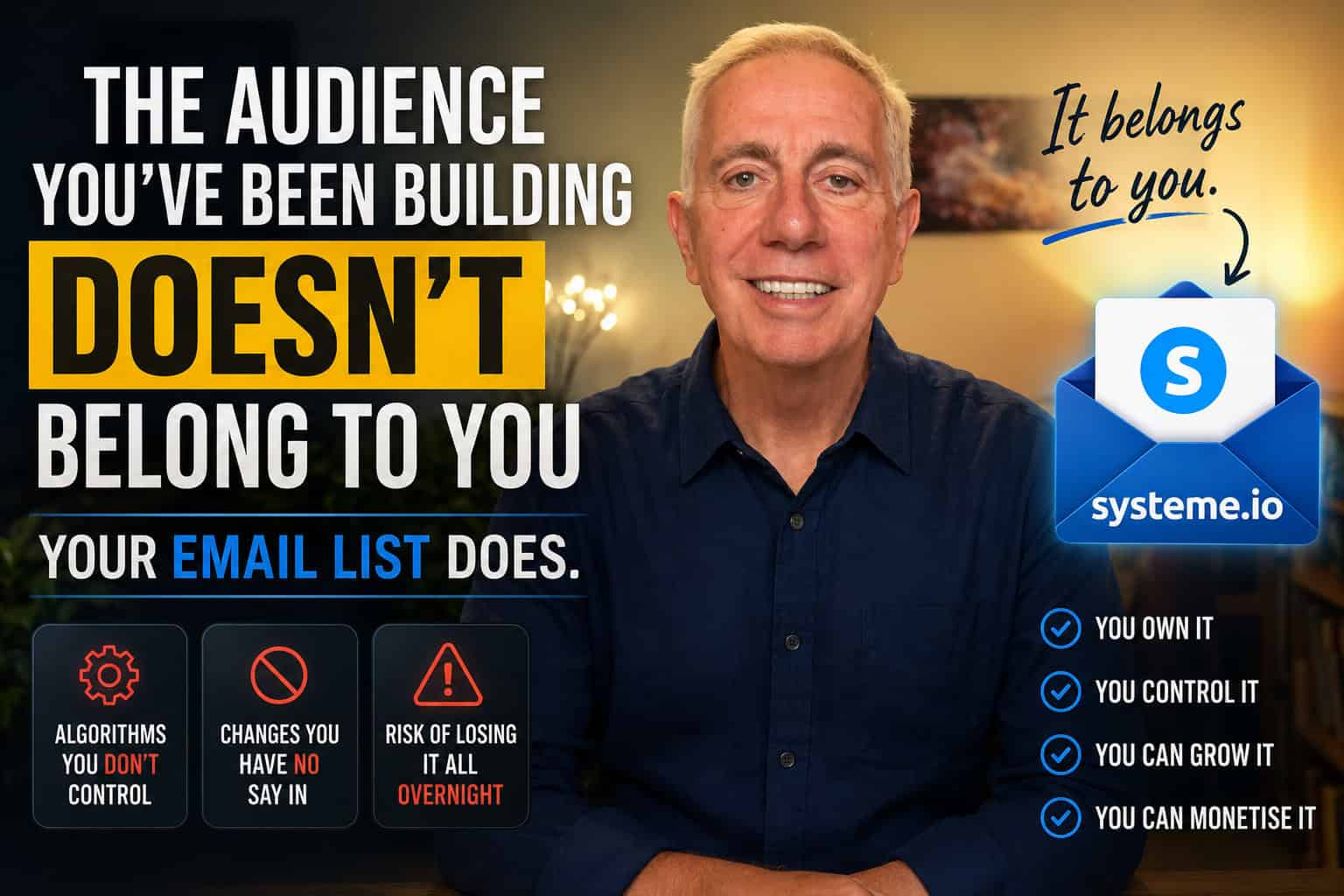
The audience you've been building doesn't belong to you.
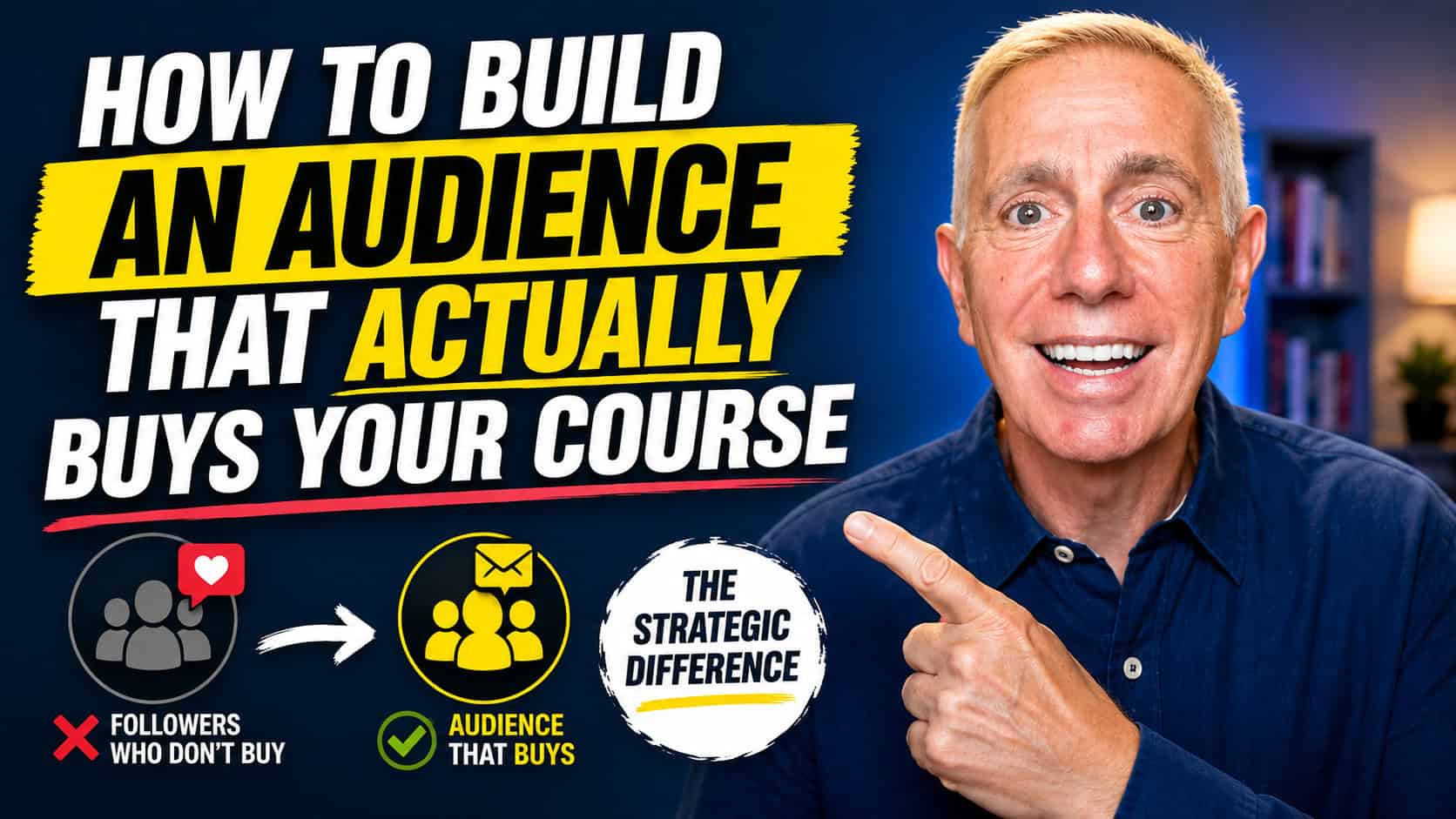
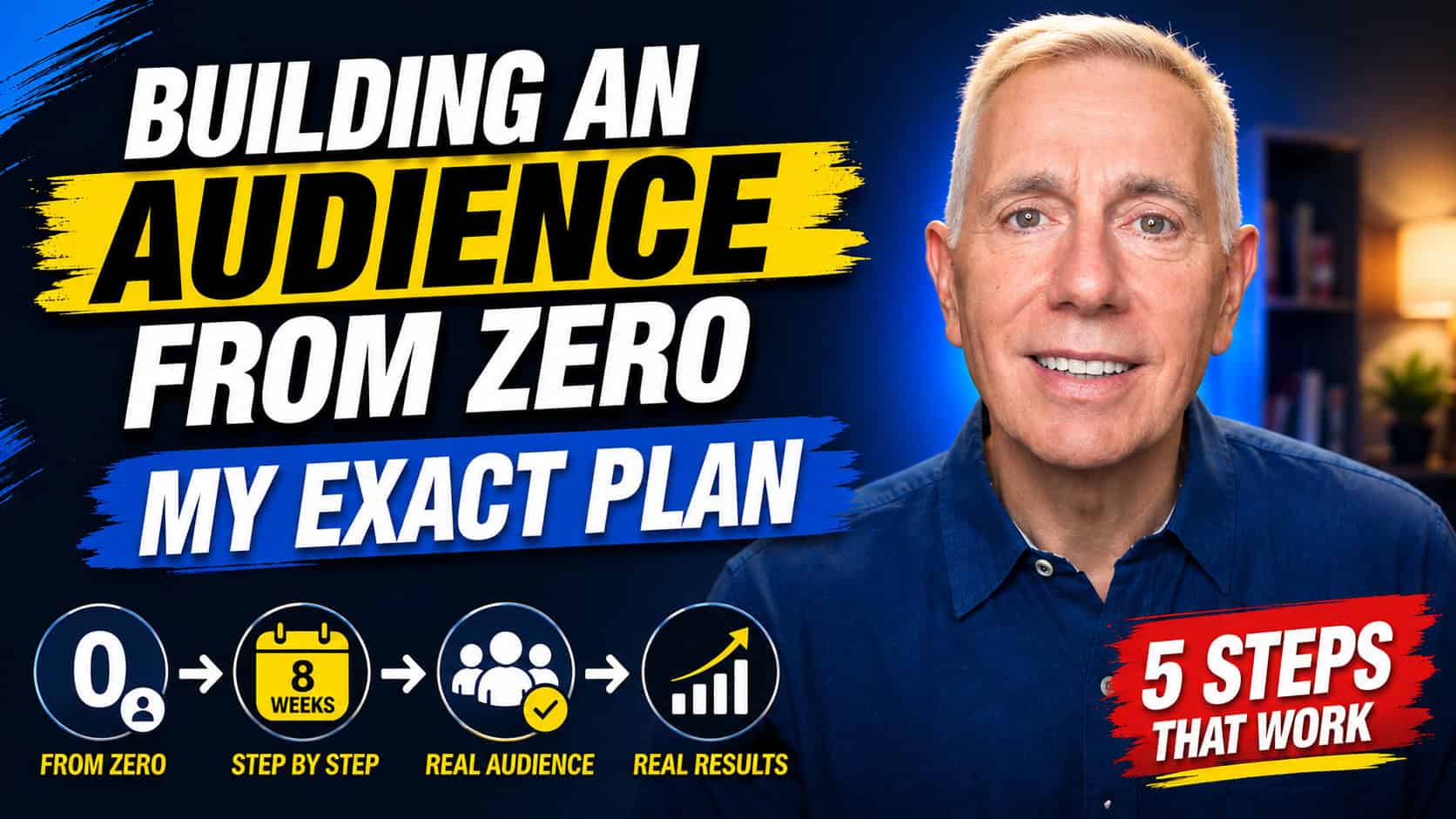
If you'd rather watch than read, the full video walkthrough is embedded above.
Your Instagram followers, your Facebook fans, your TikTok views — all of it exists on platforms owned by someone else, governed by algorithms you don't control, subject to changes you have no say in. A platform update, a policy change, an account restriction — and the audience you've spent months building can be reduced to a fraction of itself without warning.
This is not a hypothetical risk. It happens regularly, to creators at every level.
Your email list is different.
It sits in your email marketing platform — in our case, Systeme.io — and it belongs to you. The people on it actively chose to hear from you. They gave you their email address in exchange for something you offered. No algorithm decides whether your message reaches them. No platform can take them away.
That distinction — between a rented audience and an owned audience — is the most important one in course creator marketing. And building the owned audience is where everything else in this series starts.
This post is the complete guide to building an email list from zero as a course creator. What to offer people to get them to sign up. How to build the page they sign up on. Where to drive people to grow the list. And what to say to them once they're on it.
Why Email Specifically
Before we get into the mechanics, it's worth being specific about why email — rather than social media, or a podcast audience, or a YouTube subscriber count — is the right foundation for a course business.
The answer comes down to three things: ownership, deliverability, and conversion.
Ownership we've already covered. Your email list is yours. It isn't subject to an algorithm's decisions about who sees your content. It can be exported, moved to a different platform, and rebuilt even if your current email provider disappears. No other audience you build online gives you this level of control.
Deliverability is the second advantage. When you send an email to your list, it arrives in the inbox of every person on it — not a percentage of them determined by an engagement score, not the ones who happened to be online at the right moment, all of them. The reach of an email broadcast is closer to one hundred percent than any social media platform can offer.
Conversion is the third and most commercially important advantage. Email converts to course sales at significantly higher rates than social media. A warm email list — one that's been built with the right lead magnet and nurtured with consistent value — typically converts at five to ten times the rate of a social media audience of equivalent size.
This is why the course creators who make consistent sales almost universally have a strong email list behind them. Not the largest social following. Not the most viral content. An email list of the right people, nurtured properly over time.
Everything we cover in this series — YouTube strategy, Instagram, content frameworks — is ultimately in service of one goal: getting the right people onto your email list, where you can build a relationship with them properly.
The list is the business. Everything else feeds it.
Step 1: Create Your Lead Magnet
To build an email list, you need a reason for people to give you their email address. That reason is called a lead magnet — something you offer for free in exchange for someone joining your list.
The quality and specificity of your lead magnet determines not just how quickly your list grows, but how relevant the people on it are to your course. A generic lead magnet builds a generic list. A specific lead magnet builds a specific list — and a specific list converts to course sales at significantly higher rates.
What makes a good lead magnet for course creators
The most effective lead magnets for course creators follow one principle: they solve one small, specific version of the big problem your course solves.
Think about the journey your course takes students on — from problem to solution, from where they are to where they want to be. That journey has a first step. Your lead magnet delivers that first step, demonstrates that you know how to help with the rest, and gives people a reason to stay in contact with you until they're ready to buy.
If your course helps new coaches get their first paying clients, your lead magnet might be the exact script for a discovery call that converts — the specific words to use when a potential client asks what you do. That lead magnet attracts exactly the right person, delivers immediate value, and previews the kind of help your full course provides.
Lead magnet formats that work
A short video training — five to ten minutes on one high-value skill. Particularly effective for course creators because it lets people experience how you teach before they commit to buying a full course.
A template or swipe file — something immediately usable. A fill-in-the-blank email sequence, a sales page framework, a content calendar template. The more directly applicable, the better.
A mini email course — three to five short emails delivered over three to five days, each teaching one specific thing. This format is particularly powerful because it keeps you in someone's inbox consistently for a week, building trust faster than a single download.
A calculator or diagnostic tool — something that gives a personalised result. A course pricing calculator, a platform comparison tool, a quiz that identifies which course topic would sell best for their niche.
The test for a good lead magnet
Before you commit to a lead magnet, apply this test: would someone who is not yet ready to buy your course still want this? And is the person who wants it your ideal student?
If both answers are yes — you have a good lead magnet. If the only people who would want it are people who are already close to buying, it's too narrow. If it would attract anyone regardless of whether they're your ideal student, it's too broad.
Step 2: Build Your Opt-In Page on Systeme.io
With your lead magnet ready, you need a page where people can sign up to receive it. This is your opt-in page — the specific, focused page that explains what someone gets and asks for their email address in exchange.
We use Systeme.io for this — and if you haven't set up your account yet, the free plan includes everything you need to build and run a complete opt-in funnel. We covered the full technical setup in detail in Series 1 — the complete walkthrough is here:
How to Set Up Systeme.io Step by Step
For the opt-in page itself, here's what matters:
The headline is the most important element. It should name who the lead magnet is for and what they get — specifically. "Free discovery call script for new coaches" is better than "Free resource for coaches." "The exact email sequence I used to get my first ten course students" is better than "Free email marketing guide."
The description is one to three sentences supporting the headline. Who it's for, what makes it particularly useful, what they'll be able to do after reading or watching it.
The form asks for a first name and email address only. Nothing else. Every additional field you add reduces your conversion rate. Name and email. That's it.
The button text should be action-oriented and specific. "Send me the script" or "Get instant access" outperforms "Submit" consistently. The button text is the last thing someone reads before they decide whether to sign up — make it feel like the beginning of something useful, not the end of a form.
The page itself should be clean and focused. No navigation to other pages. No multiple offers. One lead magnet, clearly described, with one form. An opt-in page is not a sales page — it doesn't need to be long. It needs to be clear.
Step 3: Set Up Your Welcome Sequence
The welcome sequence is the automated series of emails that goes out after someone joins your list. It's the most important email content you'll ever write — because it shapes the relationship with every single new subscriber, from the first person to sign up to the thousandth.
A well-built welcome sequence, set up once in Systeme.io, runs automatically for every new subscriber regardless of when they join or how they found you. Here's what an effective five-email sequence looks like for a course creator.
Email 1 — Immediate: Delivery
Sent the moment someone signs up. Delivers the lead magnet. Warm, brief, human — two hundred words maximum.
Subject line: "Here's your [lead magnet name] — [your name]"
Body: A genuine welcome in one paragraph. A clear, direct link to the lead magnet. One sentence about what comes next — let them know they'll hear from you over the coming days with content related to the lead magnet topic.
Email 2 — Day 2: Your Story
The second email introduces you properly. Not a full biography — a relevant story. The moment you understood the problem your course solves. What you got wrong before you figured it out. What changed.
End with a question: "What's the biggest challenge you're facing right now with [your topic]?" Replies to this email are market research you can't buy — and they tell you exactly what your next piece of content should cover.
Email 3 — Day 4: Genuine Value
A short, specific, actionable piece of content. Not a pitch. Not a tease toward a paid offer. Actual value — something they can apply immediately.
A three-step framework. A common mistake to avoid. A specific technique. Something that makes them think: this person knows what they're talking about.
Email 4 — Day 6: Social Proof
A story about someone who has achieved the outcome your course delivers. A student result if you have one. Your own result if you don't yet.
Keep it specific — real numbers, real timeframes, real situations. Specificity is what makes social proof land. "She had her first paying client within three weeks of joining the programme" is more compelling than "my students get great results."
Email 5 — Day 8: The Soft Introduction
The first email where you mention your course — and it should feel like a natural next step, not a pivot to selling.
Something like: "Over the last week I've shared [brief recap]. If you want to go deeper — to have the full system rather than just the starting point — that's exactly what [course name] is built for. Here's where to find out more: [link]."
Warm. Natural. An invitation rather than a pitch.
Step 4: Drive Traffic to Your Opt-In Page
With your lead magnet, opt-in page, and welcome sequence in place, you need to send people to the page. Here are the five most effective methods for course creators, roughly in order of priority.
Method 1: YouTube description links
If you're building a YouTube channel alongside your course business — and we'd strongly recommend it, which is the subject of this week's Week 3 video — your video description is prime real estate for your opt-in page link.
The link should appear in the first two links of every video description, before anything else, with a clear reason to click. YouTube content compounds over time, which means a video published today will still be sending people to your opt-in page in two years. Every video you publish adds a new, permanent entry point to your list-building funnel.
We cover the full YouTube strategy for course creators here:
[INTERNAL LINK: How to Use YouTube to Grow Your Online Course Business — link to Series 2 Week 3 blog post]
Method 2: Social media bio links
Every social media platform gives you one clickable link in your bio. That link should go to your opt-in page — not your website homepage, not your course sales page, your opt-in page.
On Instagram, the bio link is the only clickable link in your entire presence. Every piece of content you post should be building toward a moment where someone visits your profile and clicks that link. Treat it accordingly.
Method 3: Personal outreach
The fastest method for getting your first subscribers — and the most uncomfortable one.
Write a list of thirty people you know who fit the description of your ideal student. Send each of them a personal message — not a mass email, not a social media post, a personal individual message — that says something like:
"Hi [name] — I've put together a free [lead magnet name] on [topic]. Given what you're working on, I thought it might be useful. Here's the link if you'd like it: [opt-in page link]."
Thirty personal messages. Realistic conversion rate from a warm contact: thirty to fifty percent. That's ten to fifteen subscribers from one afternoon's work — more than most passive methods produce in a month at the start.
Method 4: Content with a consistent CTA
Every piece of content you create — every YouTube video, every Instagram post, every Facebook post, every blog post — should at some point reference your lead magnet and point people toward your opt-in page.
Not aggressively. One sentence at the end of a post: "If you found this useful, the full framework is in my free guide — link in bio." That sentence, consistently present in every third or fourth piece of content, builds a steady stream of opt-ins from people who have consumed multiple pieces of your content and are ready to take the next step.
Method 5: Other people's audiences
The most underused method — and the fastest way to add significant numbers of subscribers quickly.
Find creators, podcasters, or community hosts whose audience overlaps with yours. Offer to deliver something genuinely useful for their audience — a guest post, a podcast interview, a free live training. At the end of it, direct their audience to your opt-in page.
A single well-placed guest appearance can add fifty to a hundred subscribers in a day. More, if the audience is large and relevant. Start small — a podcast with a few hundred listeners, a community of a few hundred members — and build from there.
We cover all five methods in detail, including a specific weekly action plan for running them simultaneously, in this post:
The Infrastructure: Systeme.io
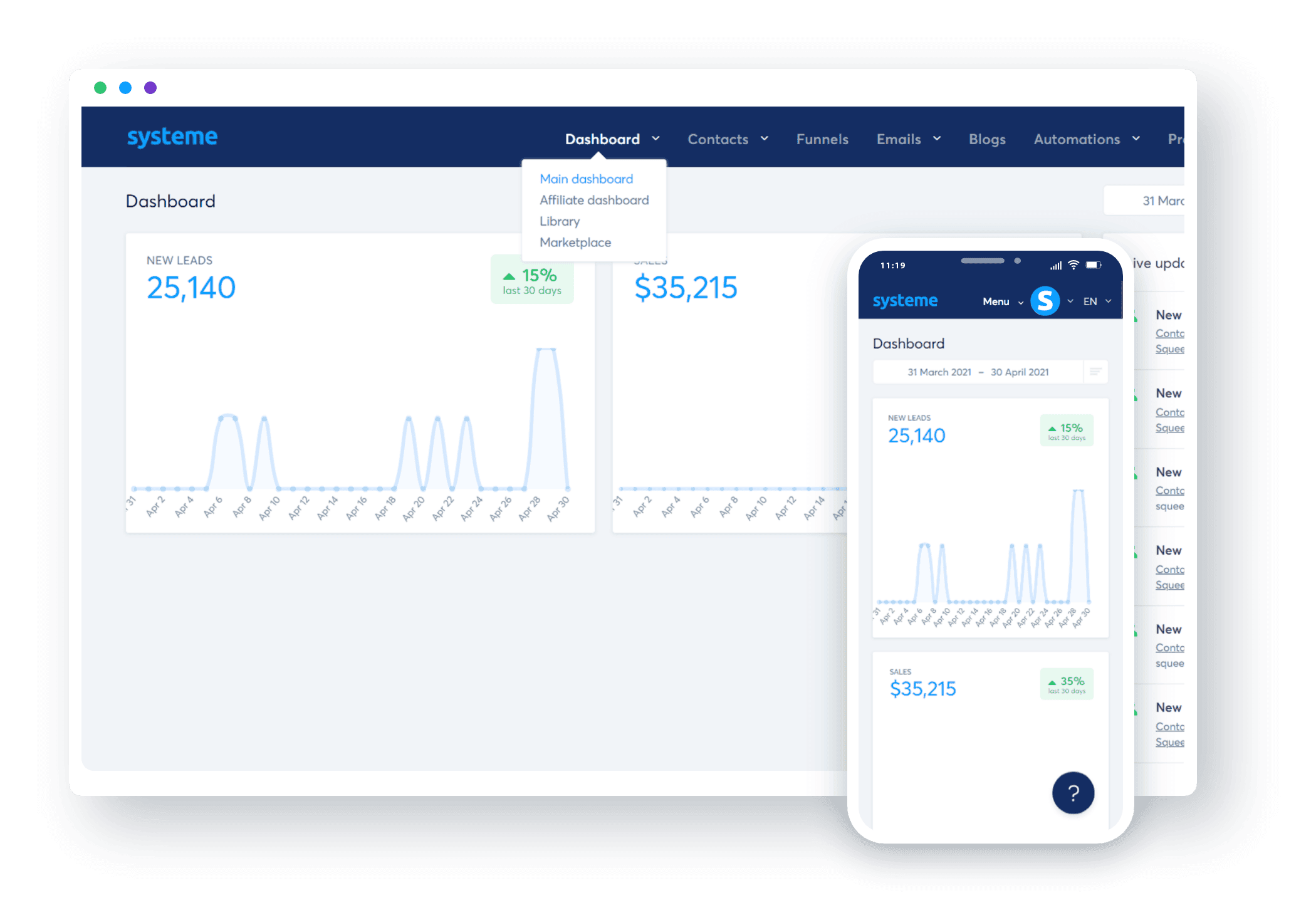
Everything described in this post — the opt-in page, the email sequence, the automation that connects them — is built inside Systeme.io.
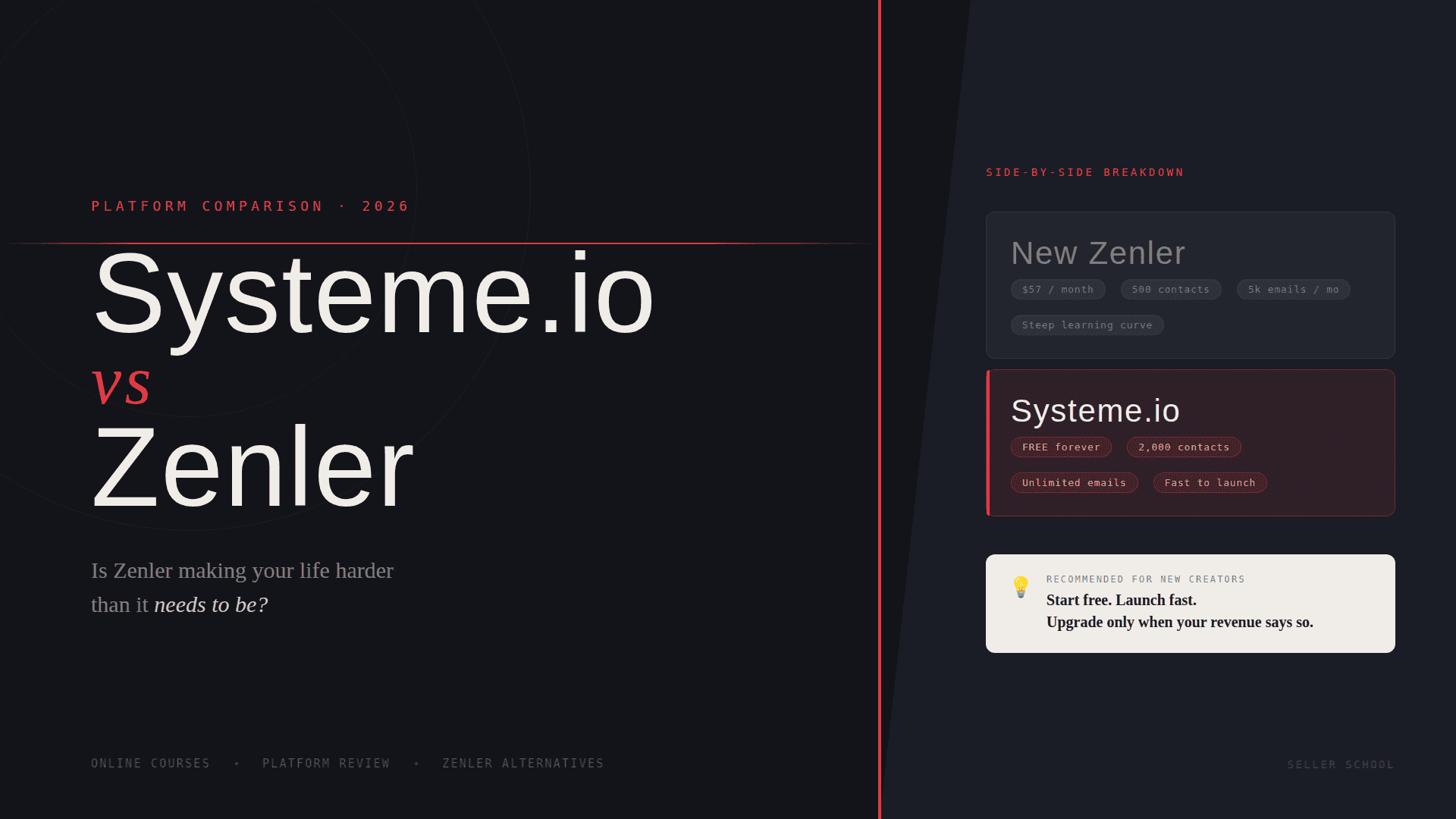
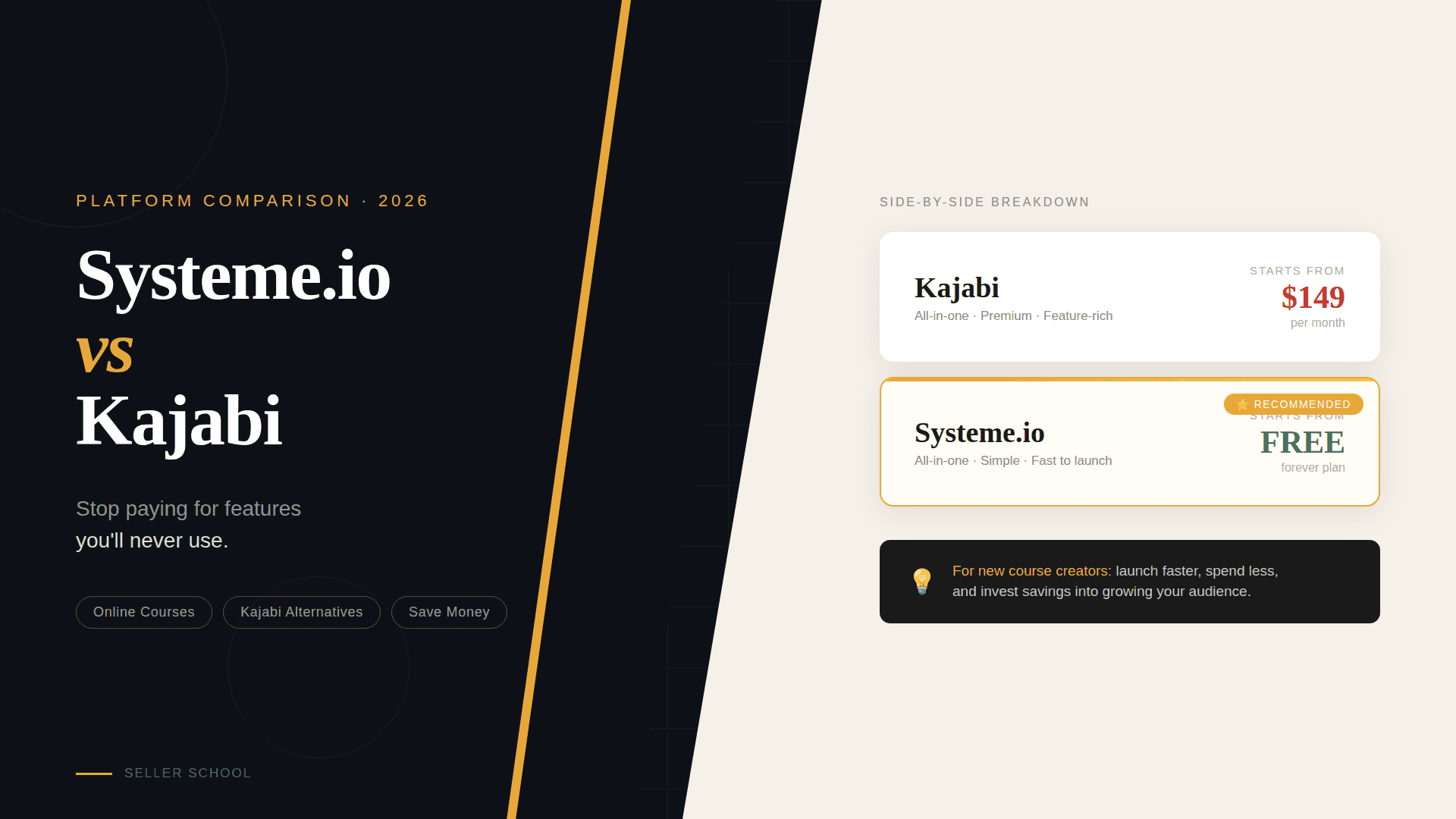
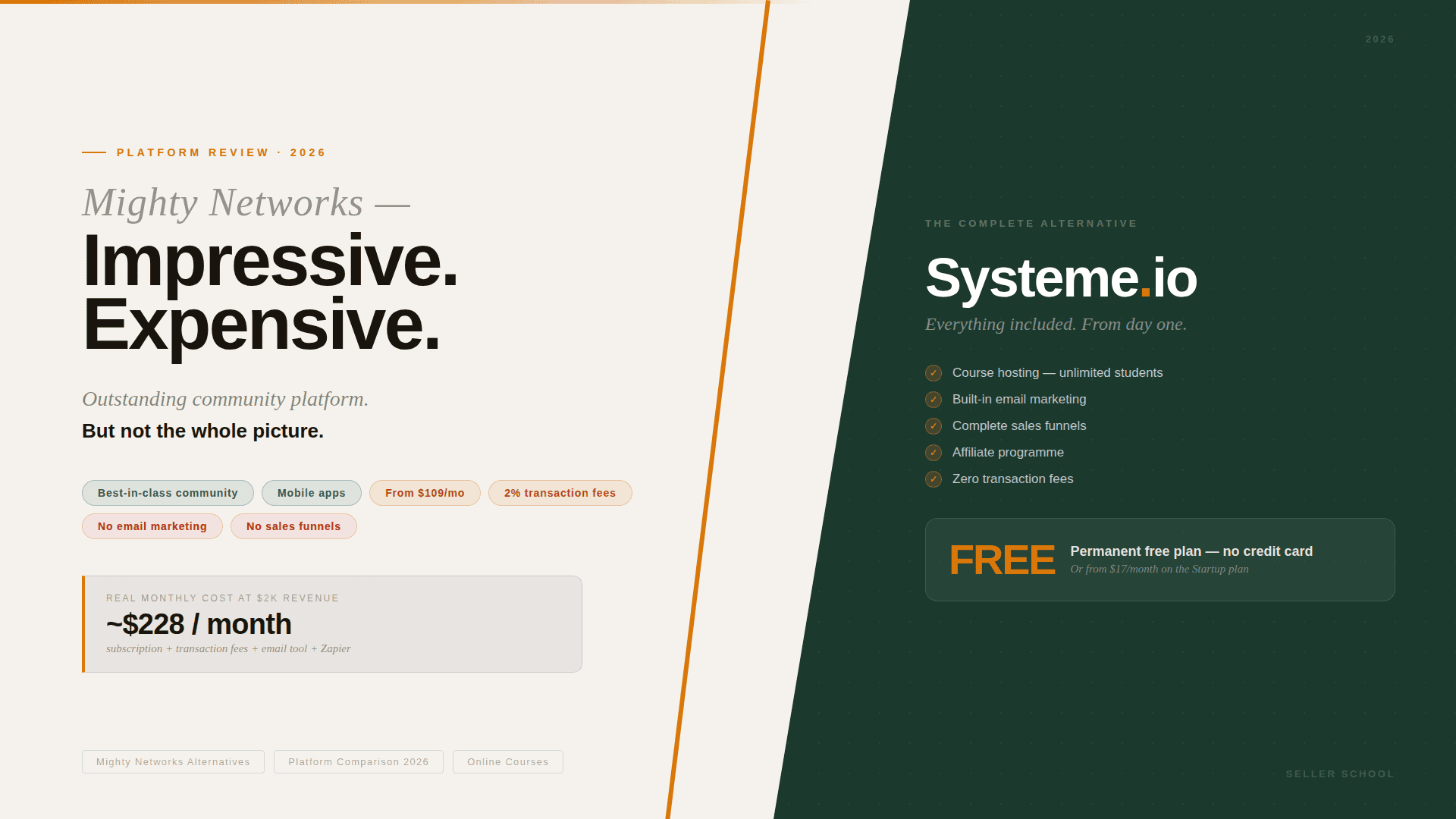
The free plan includes an opt-in funnel builder, email marketing for up to 2,000 contacts with unlimited sends, one automation rule that connects signups to your welcome sequence, and no transaction fees on any plan.
That means the complete list-building infrastructure described in this post is available at zero cost. You can build your opt-in page, set up your five-email welcome sequence, and connect everything together before you've spent a penny.
If you haven't yet set up your Systeme.io account — or if you want a step-by-step guide to building the opt-in funnel specifically — this walkthrough covers the complete technical setup:
How to Set Up Systeme.io Step by Step
What Happens After the Welcome Sequence
The welcome sequence builds the initial relationship. What sustains it is consistent, ongoing email contact.
Not a weekly pitch. Not a constant stream of promotional content. Regular, valuable emails — the same kind of content you're creating for your platform, delivered directly to the people who've asked to hear from you.
A weekly or fortnightly email. Something genuinely useful every time. With a soft reference to your course at the end, where it's naturally relevant.
Some subscribers will be ready to buy after three emails. Others will need three months. Others will need a year. The ones who take time are not lost — as long as you keep showing up with value, they're building the case for buying one email at a time.
The patience that feels uncomfortable in the short term is what produces the conversion rates that make the business sustainable in the long term.
The Honest Summary
Building an email list is not fast at the start. The first ten subscribers take longer than the next hundred. The first hundred take longer than the next thousand. The compounding effect is real — but it takes time to become visible.
What makes it worth the patience is what the list becomes. A direct, owned connection to the people most likely to buy your course. A relationship that no algorithm can disrupt. A marketing asset that grows more valuable the longer you invest in it.
Start with the infrastructure. Build the lead magnet. Set up the opt-in page. Write the welcome sequence. Then drive traffic to it consistently, using all five methods, every week.
That's the foundation. Everything else in this series builds on it.
👉 [Create your free Systeme.io account here: https://iosysteme.com]
Further Reading on Seller School
From Series 1 — the platform foundation:
- Systeme.io Free Plan — Everything You Actually Get
- How to Set Up Systeme.io Step by Step
- How to Launch Your First Course in 7 Days
Disclosure: The Systeme.io link in this post is an affiliate link. If you sign up, we earn a small commission at no extra cost to you. We only recommend tools we use ourselves.