

Getting Your First 100 Email Subscribers as a Course Creator
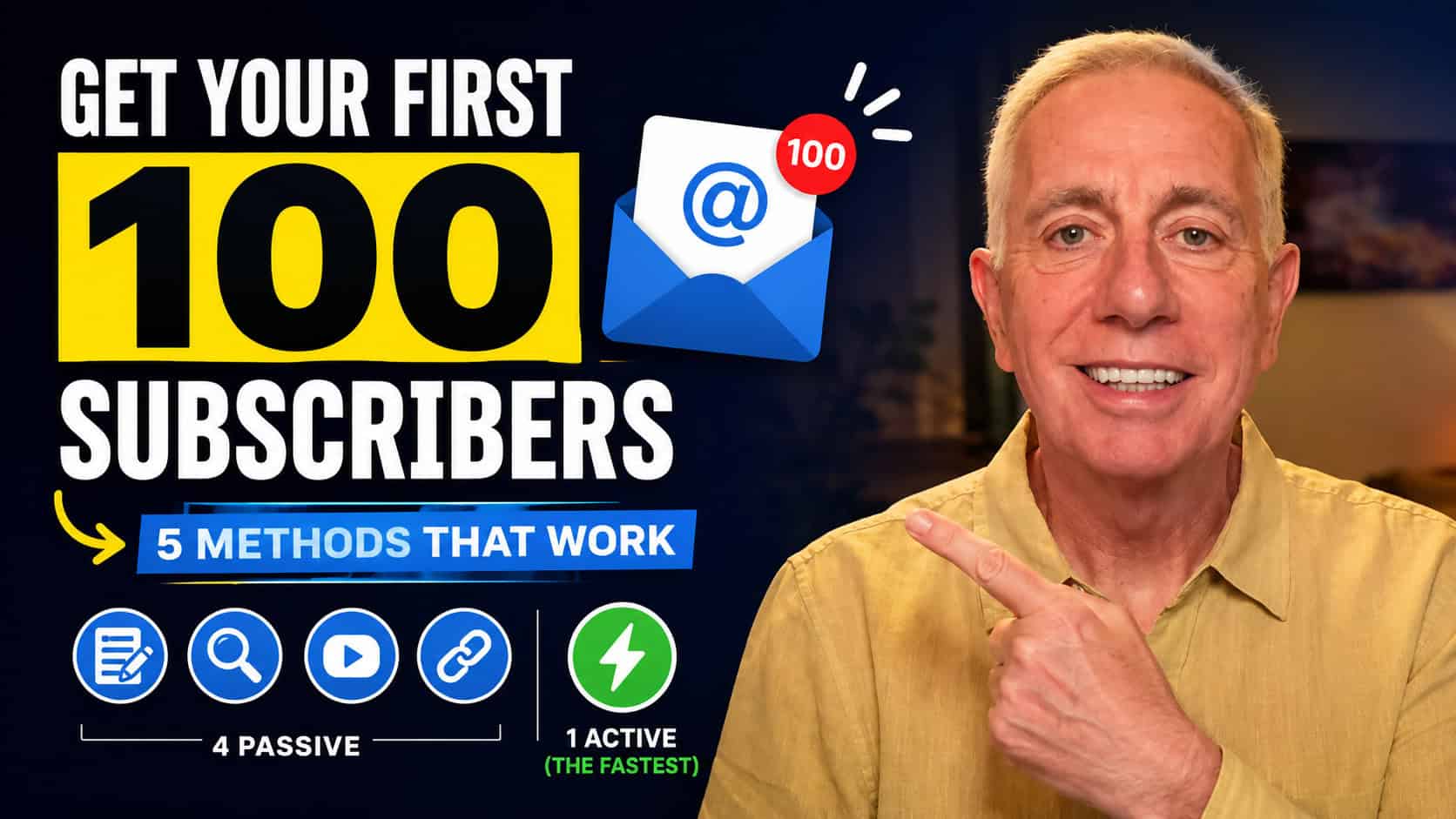
If you're a course creator staring at an email list that reads “7 subscribers” and wondering how anyone ever gets past it, this article is for you. The first hundred subscribers is the hardest hundred you will ever gather, and it's also the most important — because it's the point at which a course idea stops being a hope and starts becoming something you can test, price, and eventually sell. Below is the exact approach I'd use to get there from zero, built around five methods that work best when you run them together rather than one at a time.
Why 100 is the number that matters
Not ten. Not fifty. A hundred. There's nothing magic about the figure itself, but it's the point at which a few useful things become possible at once. A hundred of the right people is enough of an audience to test whether your course idea actually resonates, to sense-check your pricing against real reactions, and to gather honest feedback before you sink months into building something nobody asked for.
It's also the point where the maths starts to work in your favour. When you eventually make an offer to a warm, well-nurtured list — people who know you and have received genuine value from you — conversion tends to land somewhere in the region of ten to thirty percent, dramatically higher than the one-to-three percent a cold sales page typically manages. Those are widely reported industry ranges rather than a promise about your specific launch, but the shape of them is the point: a hundred warm subscribers can realistically represent your first handful of sales. That isn't retirement money. It's something more valuable at this stage — proof. Evidence that the thing you're building is real, that people want it, and that the system works.
The trouble is that getting to a hundred feels impossibly slow while you're in it. You post your lead magnet, drop the link in your bio, and wait. The number crawls from zero to three to seven, and then appears to stop entirely. Almost always, the reason is the same: you're relying on a single method, and a passive one at that. The fix is to run several methods in parallel — and to lead with the one that works fastest.
Method 1: Your YouTube description (the most passive)
If you're publishing on YouTube, your video descriptions are the most passive subscriber source you have. Once they're set up correctly, they never ask anything of you again. Every video description should carry — as the first or second link, before anything else — the link to your opt-in page. Not your website homepage. Not your course sales page. The specific page where someone exchanges their email address for your lead magnet.
The position matters because of who actually opens a description. Most viewers never do. The ones who do are disproportionately engaged: they've watched, they've decided they like what they saw, and they're looking for a next step. That next step should be joining your list, not landing on a homepage that has no idea what to do with them.
There's a compounding effect that makes this more powerful than it first appears. YouTube isn't a feed that forgets you within the hour — it's a search engine handling something in the order of three and a half billion searches a day, and a video you published three months ago is still being found today. Every new video adds a permanent entry point to your funnel. The first adds one, the tenth adds ten, the fiftieth adds fifty. Your list grows faster the more content you accumulate, which is the entire argument for treating YouTube as a long-term asset rather than a quick traffic hit. Practical step: go back through every video you've published, add your opt-in link to each description, and make every future video open with it.
Method 2: Social media bio links (the easiest win)
Every social platform gives you a bio, and in that bio there is usually exactly one clickable link. It should go to your opt-in page — not your website, not your course, and definitely not a Linktree with eight competing options. One clear destination, one clear offer.
The details vary by platform. On Instagram, the bio link is the only clickable link in your entire presence, since posts carry no links and Story stickers disappear when the Story does; every piece of content you post is quietly building toward the moment someone taps your profile and clicks that link. On Facebook, both your profile and your page allow a link — in the About section and the page's website field respectively — and while it pulls less traffic than Instagram, it costs nothing and catches anyone warm enough to visit your profile after seeing a post. Your YouTube channel page has its own links section beside the channel art, separate from your video descriptions; put the opt-in page first and label it plainly. And on LinkedIn, TikTok, or anywhere else you keep a profile, the same rule applies.
This method is passive in a slightly different way to your YouTube descriptions: it works whenever someone visits your profile, which means it works in proportion to how much content you're publishing that sends people there. On its own, a bio link is a trickle. Combined with consistent content, it becomes a real and growing stream. Practical step: check every bio you own right now, and if the link isn't your opt-in page, change it before you do anything else.
Method 3: Personal outreach (the one that works today)
This is the method almost everyone skips, because it's the only one that feels uncomfortable — and it's also the fastest thing on this entire list. If you take one idea away from this article, make it this one.
The honest reality of starting from zero is that the passive methods take time to build momentum. Three months of consistent content might get you to fifty subscribers through passive channels; it might get you to twenty. Personal outreach can get you a meaningful chunk of your first hundred in a single week. Not because it's a better long-term strategy — it isn't, because it doesn't compound the way passive methods do — but because in the critical early stretch, when you need proof and real people on a real list, nothing else moves as fast.
Here's exactly how to do it. Write down thirty people you know, personally or professionally, who genuinely fit the description of your ideal student — not people who might be vaguely interested, but people who have the specific problem your course solves or are in the specific situation it's built for. Then send each of them an individual, personal message. Not a mass email. Not a broadcast post. Something short, specific, and honest: a line that references something particular about them or your relationship, a one-sentence description of your lead magnet framed around what they get, and one low-commitment link.
A realistic reply-and-sign-up rate from a genuinely personal message to a warm contact sits somewhere between thirty and fifty percent — far above any cold broadcast, precisely because the relationship already exists. Thirty messages, then, is ten to fifteen subscribers from a single afternoon of slightly uncomfortable but genuinely effective work. Do this before anything else. The passive methods take weeks to warm up; this works the day you send the messages.
Method 4: Content with a consistent call to action
Methods one and two put your link in static places. This one weaves it into the content you're actively creating, and over a year it compounds harder than almost anything else. The principle is simple: every piece of content you produce should, at some natural point, reference your lead magnet and point people toward your opt-in page — not aggressively, not in a way that turns every post into a pitch, but naturally, as a service to the person who just got something useful and wants more.
The formula is one sentence at the end or at a natural transition: “If you found this useful, I've put together a free guide that goes deeper on this exact point — the link's in the description.” One line, one link, delivered only after you've already proven the content was worth their time. The key is consistency without saturation. Not every post needs the call to action, but every third or fourth piece should. This matters because buying decisions rarely happen on a first exposure — the old marketing “rule of seven” has softened in modern research to something like five to eight meaningful touchpoints, so a single mention is rarely enough. Consistent, low-key reminders are how you accumulate those touchpoints without ever feeling pushy. Practical step: review your last ten pieces of content, and if fewer than three referenced your lead magnet, fix that on the next ten.
Method 5: Other people's audiences (the most underused)
The final method surprises people most when they see how well it works, and it's the one most new creators never try — because they assume they lack the credibility to be invited onto someone else's platform. That assumption is almost always wrong.
In nearly every niche there are creators, podcasters, community hosts, and newsletter writers whose audiences overlap with yours without being direct competitors. They serve a similar audience with a different angle or format, and they share one persistent problem: they need to keep delivering value to their people, and producing all of it themselves is hard. You can solve that. Offer to create a piece of value for their audience — a guest post, a podcast interview, a free live training, a contributed resource — that serves their people and costs them nothing but a platform and an introduction. In exchange, you point their audience to your opt-in page at the end.
The numbers can be striking. A podcast interview reaching two thousand relevant listeners, with a clear call to action to your lead magnet, can add fifty to a hundred subscribers in a day. A guest slot in a newsletter with five thousand relevant readers can do the same. A free training for someone else's community can generate thirty to sixty warm subscribers in an hour. And the objection people raise — “why would anyone let me on their platform?” — misunderstands what hosts actually want. Most aren't looking for famous guests; they're looking for knowledgeable, reliable, well-prepared people who will show up and deliver. If that's you, and your knowledge is relevant to their audience, your subscriber count barely matters. Practical step: list five hosts whose audience overlaps with yours, draft a short and specific pitch, and send it to all five this week. One yes is enough to matter at this stage.
The infrastructure that makes all five work
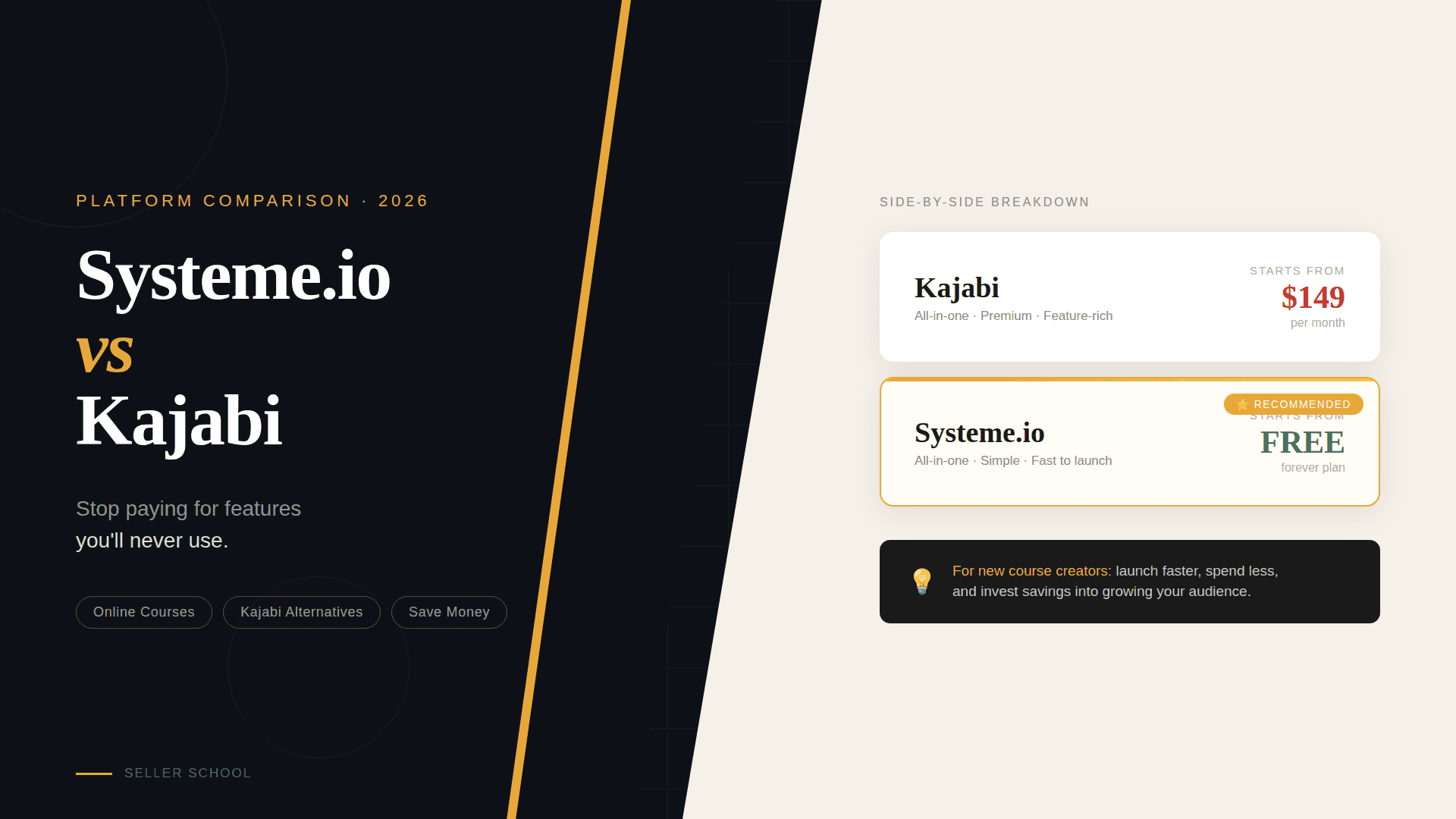
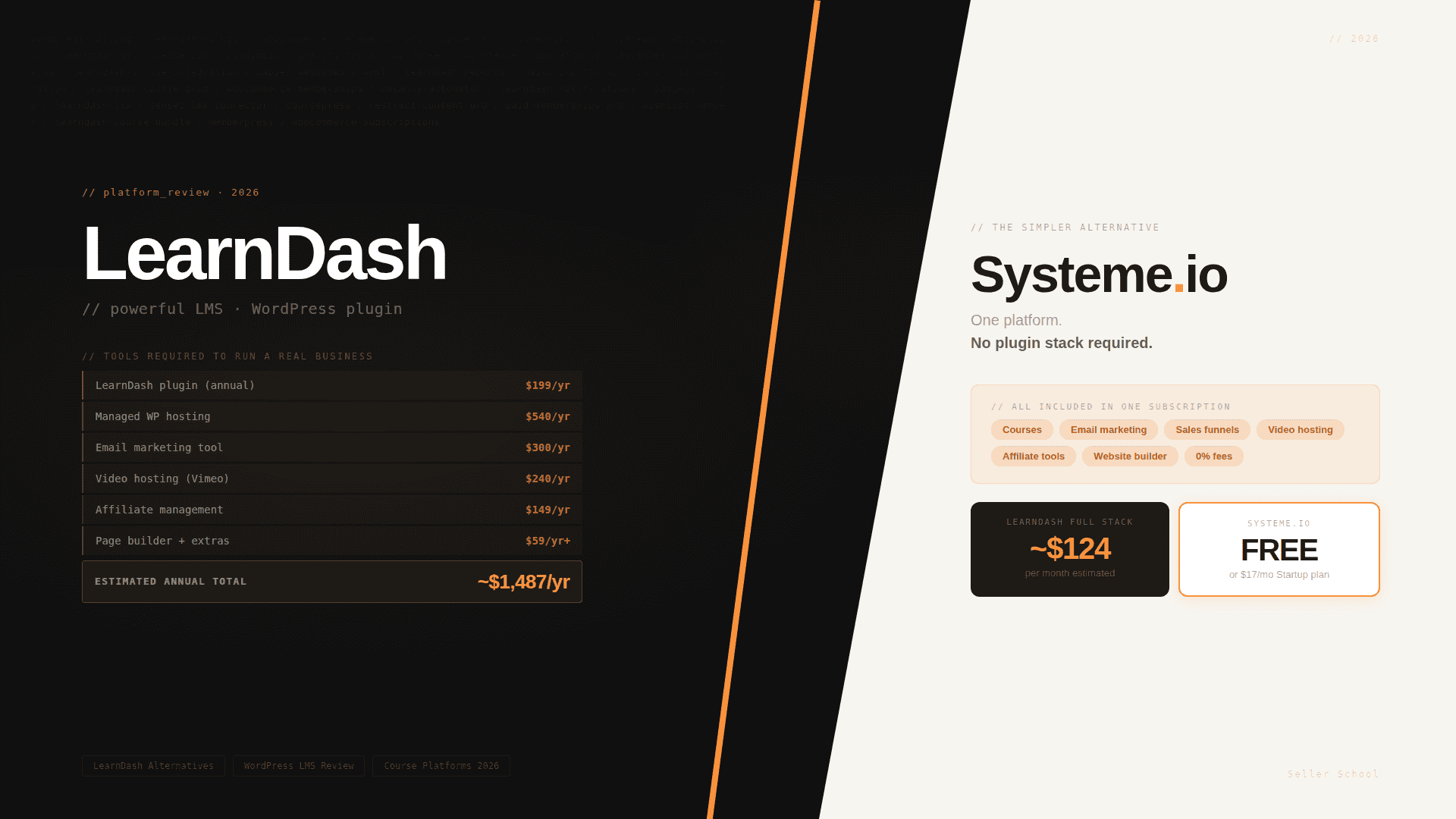
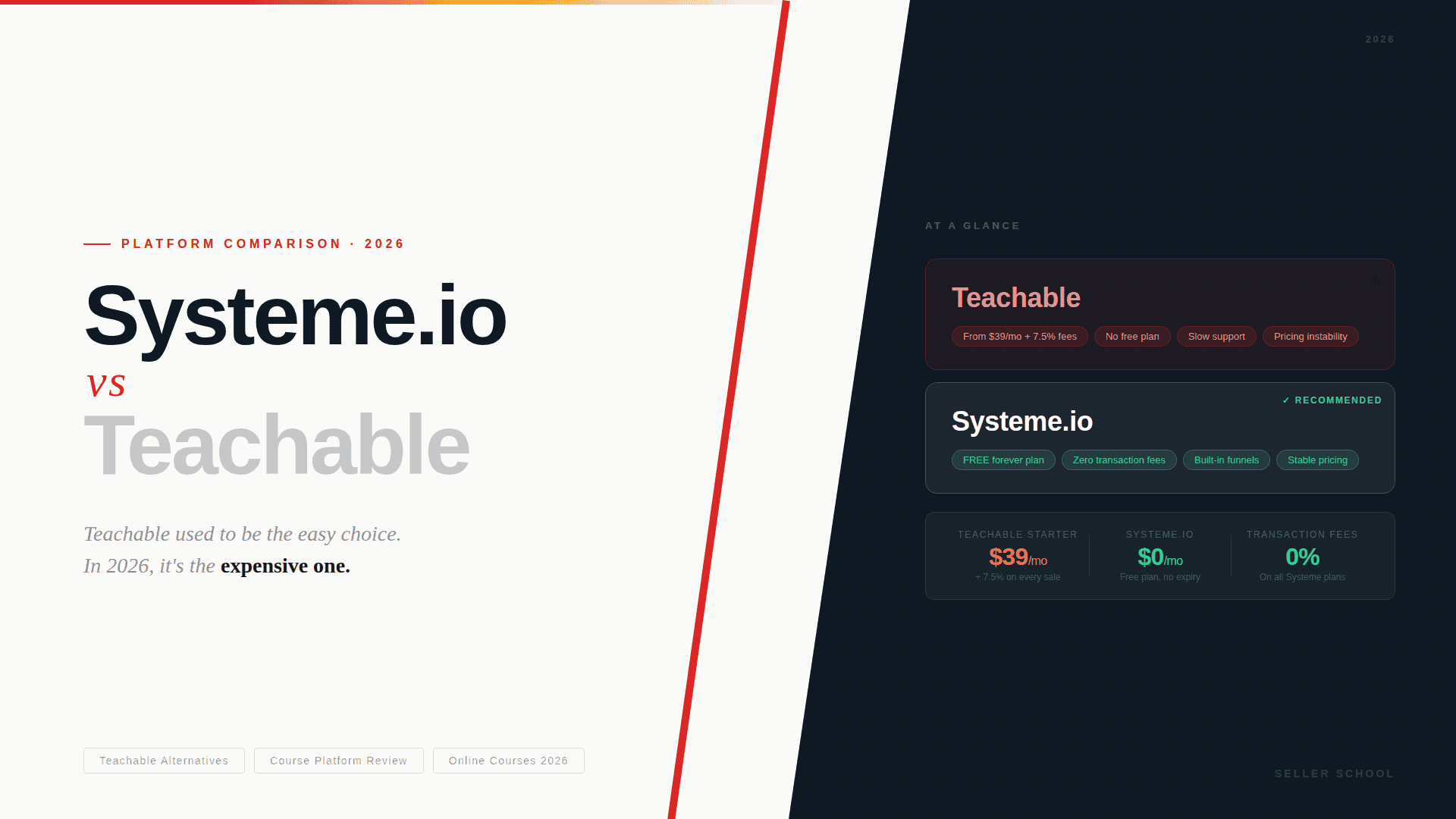
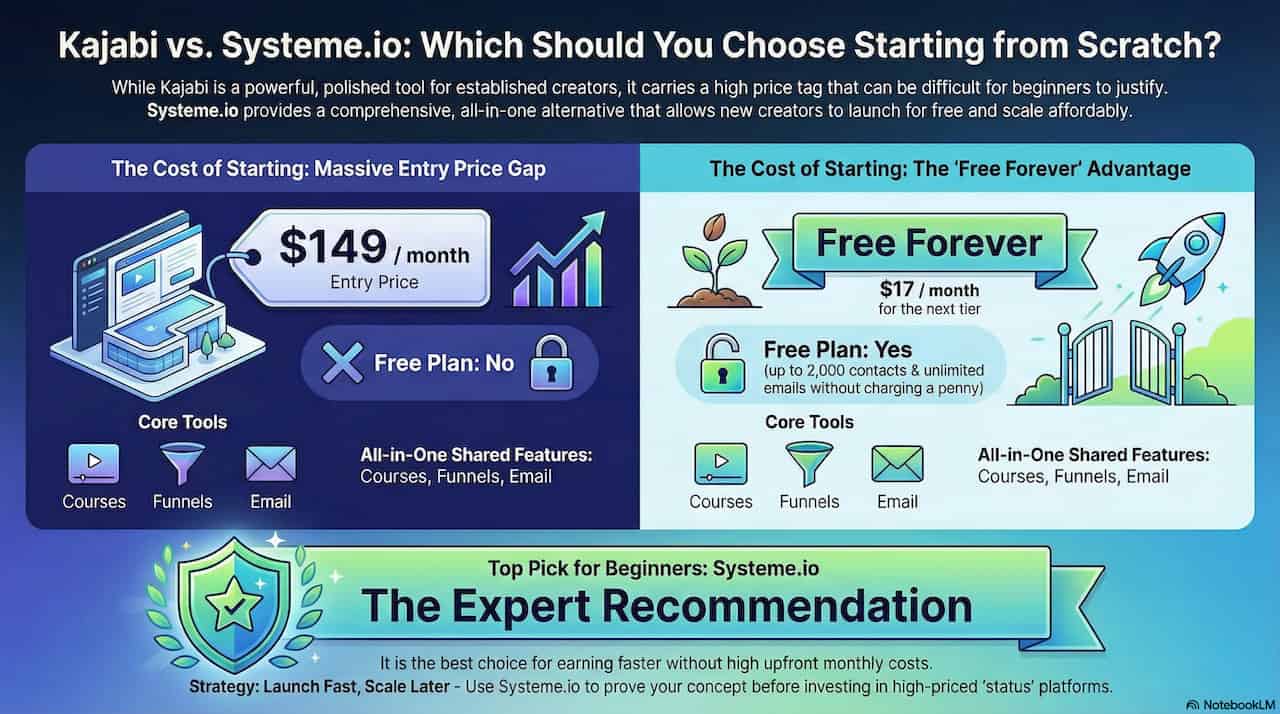
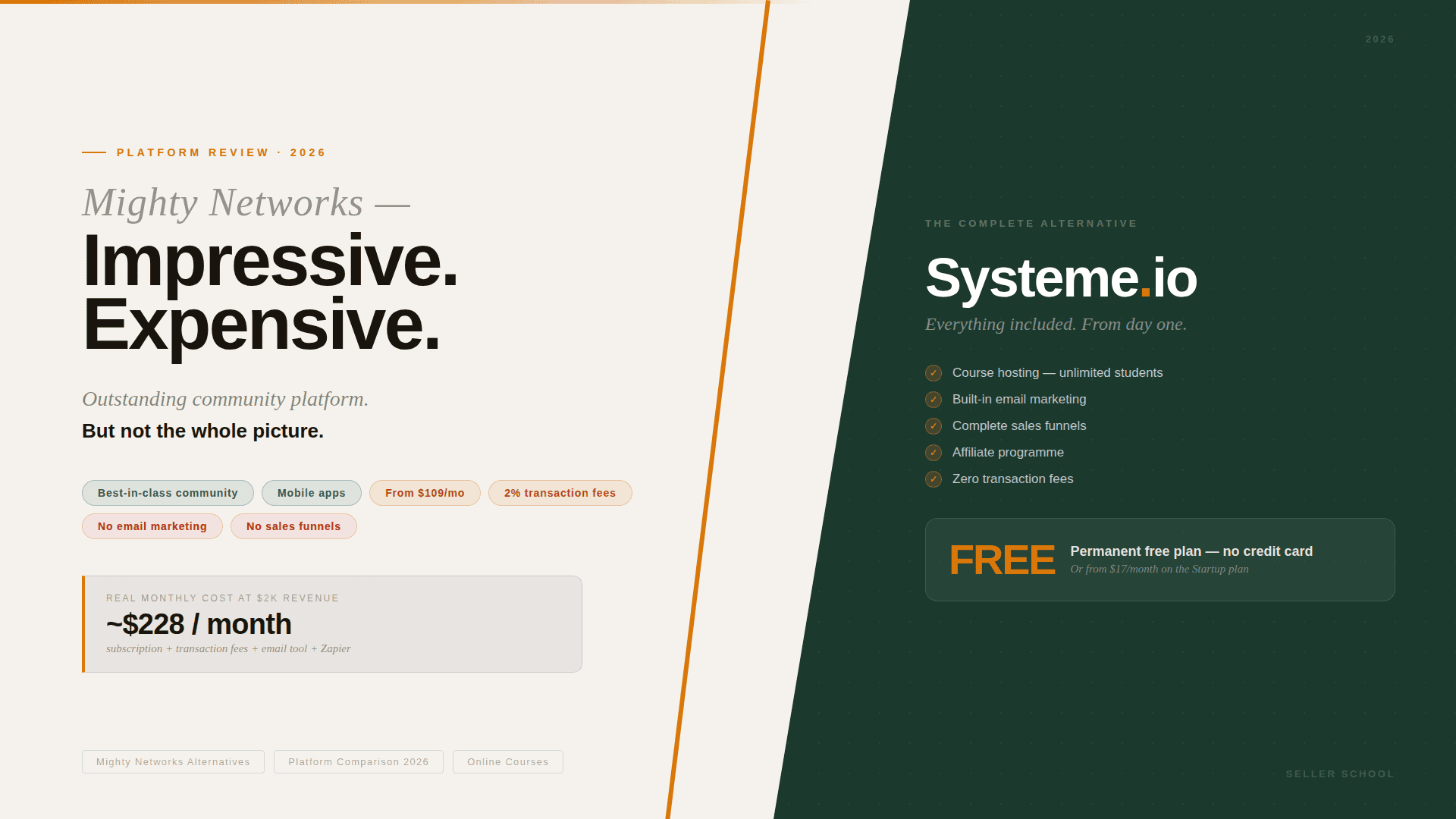
Every one of these methods funnels to the same place: your opt-in page. That's what makes them work together — five different sources all leading to one clear destination, where a welcome sequence does the relationship-building automatically. I build all of it — the opt-in page, the lead magnet delivery, the five-email welcome sequence — inside systeme io, with the whole thing in a single login.
The free plan covers everything you need to start: an opt-in funnel, email marketing for a couple of thousand contacts, and automated sequences that nurture subscribers while you sleep. No monthly fee to begin, and no card required. This matters more than it sounds, because email is where the trust you build actually converts. Litmus' widely-cited State of Email research puts the average return on email marketing at around thirty-six dollars for every dollar spent — roughly twenty-eight pounds — comfortably ahead of any other channel. That return doesn't come from the software. It comes from the warm relationship the software lets you build and keep. If you want to start with the platform itself, you can create a free account here: iosysteme.com.
Your weekly routine to 100
The fastest path to a hundred subscribers is not choosing the single best method and waiting for it — it's running all five in parallel. Every week, publish one piece of long-form content targeting a specific search term your ideal student is actually typing, with your opt-in link prominent. Post three to five pieces of social content on your one chosen platform, at least one referencing the lead magnet. Send five personal outreach messages — five a week, consistently, not thirty in a panic. And pitch one guest appearance. Over six weeks, five messages a week is thirty messages and, at a thirty percent conversion, around nine subscribers from outreach alone. Over eight weeks, one pitch a week is eight pitches, and two yeses could add fifty to a hundred subscribers from appearances alone.
Run that routine consistently for eight to twelve weeks and most course creators will get from zero to a hundred — faster if any single piece of content breaks through or any appearance lands on a particularly relevant audience. The reason most people never reach a hundred isn't that the methods don't work; it's that they try one method passively, see nothing immediately, and conclude that list building is too slow to bother with. List building is slow at the start, and it's the most valuable thing you can do for your course business. Both are true at once. So start the routine this week — not next week when things have settled down. This week. The first hundred is the hardest hundred you'll ever gather, and everything after it gets easier.
Note on the figures above: the ~10–30% warm versus 1–3% cold conversion ranges and the ~$36-per-$1 email ROI are widely reported industry benchmarks, not guarantees for any individual list. YouTube's search volume is drawn from widely-published figures. Treat all of them as the shape of the landscape rather than a forecast of your specific results.