


How I'd Build an Audience From Scratch, Step-by-Step.
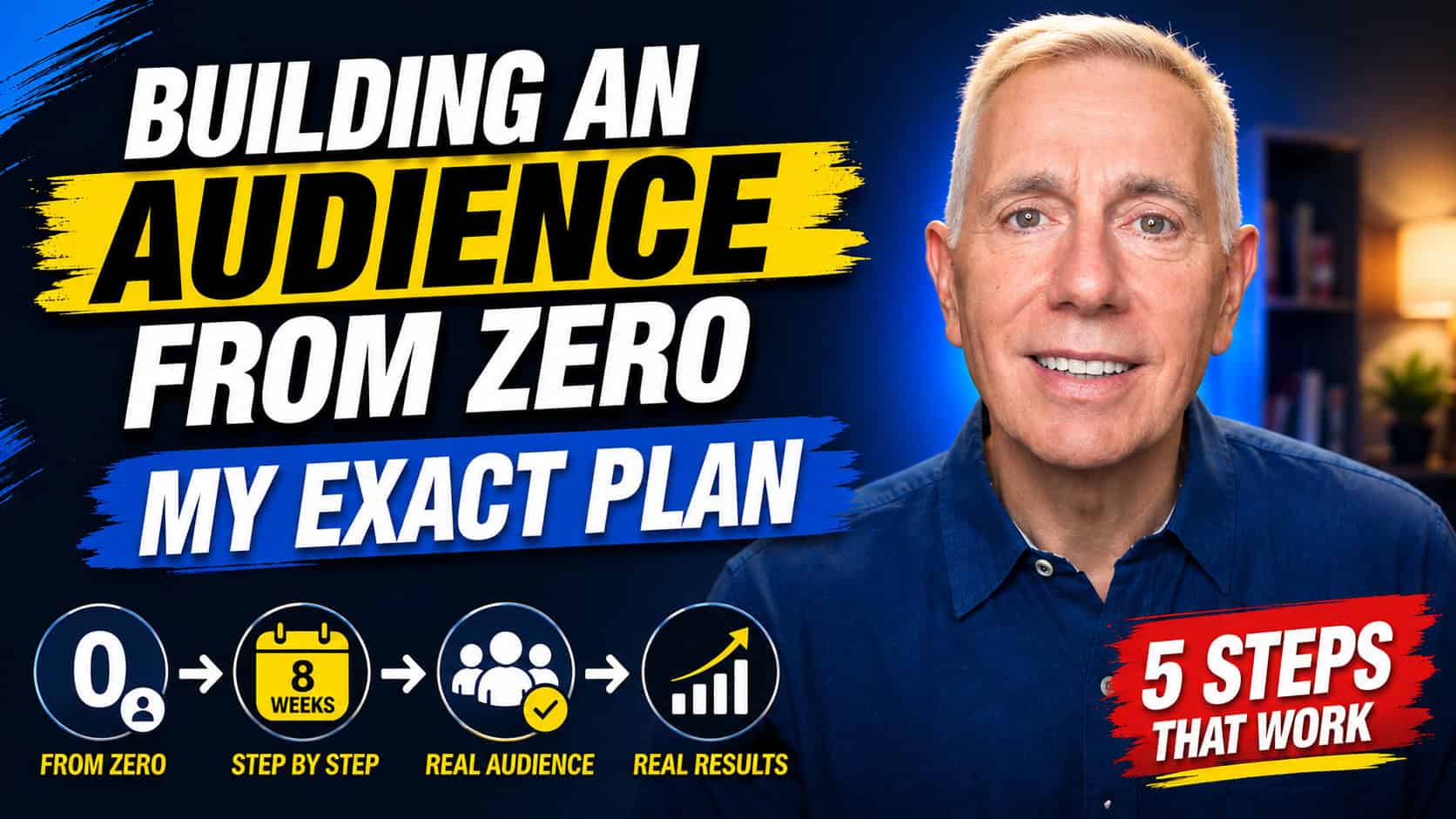
If you had no audience, no email list, and no head start — no ten thousand followers, no viral video, no network built over years — and you were starting a course business again today, what would you actually do? Not what might work in theory, but the specific, ordered plan. That's the question I get asked most, and this article is my complete answer: five steps, in order, from zero, drawn from actively doing it rather than remembering it from years ago. It's the synthesis of everything — the email list, the platform choice, the content framework — into one plan you can start this week.
The principle that makes the plan make sense
Before the steps, the principle underneath all of them, because if you understand it you can make good decisions even in situations the steps don't cover: build the infrastructure before you build the audience. Most people do the opposite. They start creating content before they have anywhere to put the people who respond, so they gather views, followers, and engagement — and then watch those people drift away, because there's no mechanism to hold them. No email list, no welcome sequence, no relationship that survives past the moment of consumption.
Content without infrastructure is like turning on a tap with no bucket underneath. The water flows; it just doesn't go anywhere useful. The infrastructure is the bucket — the opt-in page, the lead magnet, the welcome sequence, the system that turns a casual viewer into an engaged subscriber. Build the bucket first, then turn on the tap. It's counterintuitive because the infrastructure is invisible: nobody sees your opt-in page until you send them to it, and the content is the visible part that feels like the real work. But the infrastructure is what decides whether the content compounds or evaporates — the difference between building an asset and generating noise. Everything below rests on that one idea: infrastructure first, content second, audience third.
Step 1: Build the infrastructure
Before a single piece of content, before even choosing a platform, build the email infrastructure. It has three components, and each is worth confirming before you drive any traffic. The lead magnet is a specific, useful resource that solves one small version of the big problem your course solves — not a generic PDF anyone could write, but something that demonstrates your particular expertise; it's the reason people hand over their email, and the more specifically useful it is, the higher the proportion of the right people who sign up. The opt-in page is a clean, specific page with a clear headline — who it's for and what they get — an email form, and nothing else: no navigation, no competing options, one offer and one button, tested from your phone before you send anyone to it. The welcome sequence is five emails over eight days — delivery, story, value, proof, and a soft introduction to your course — running automatically for every subscriber.
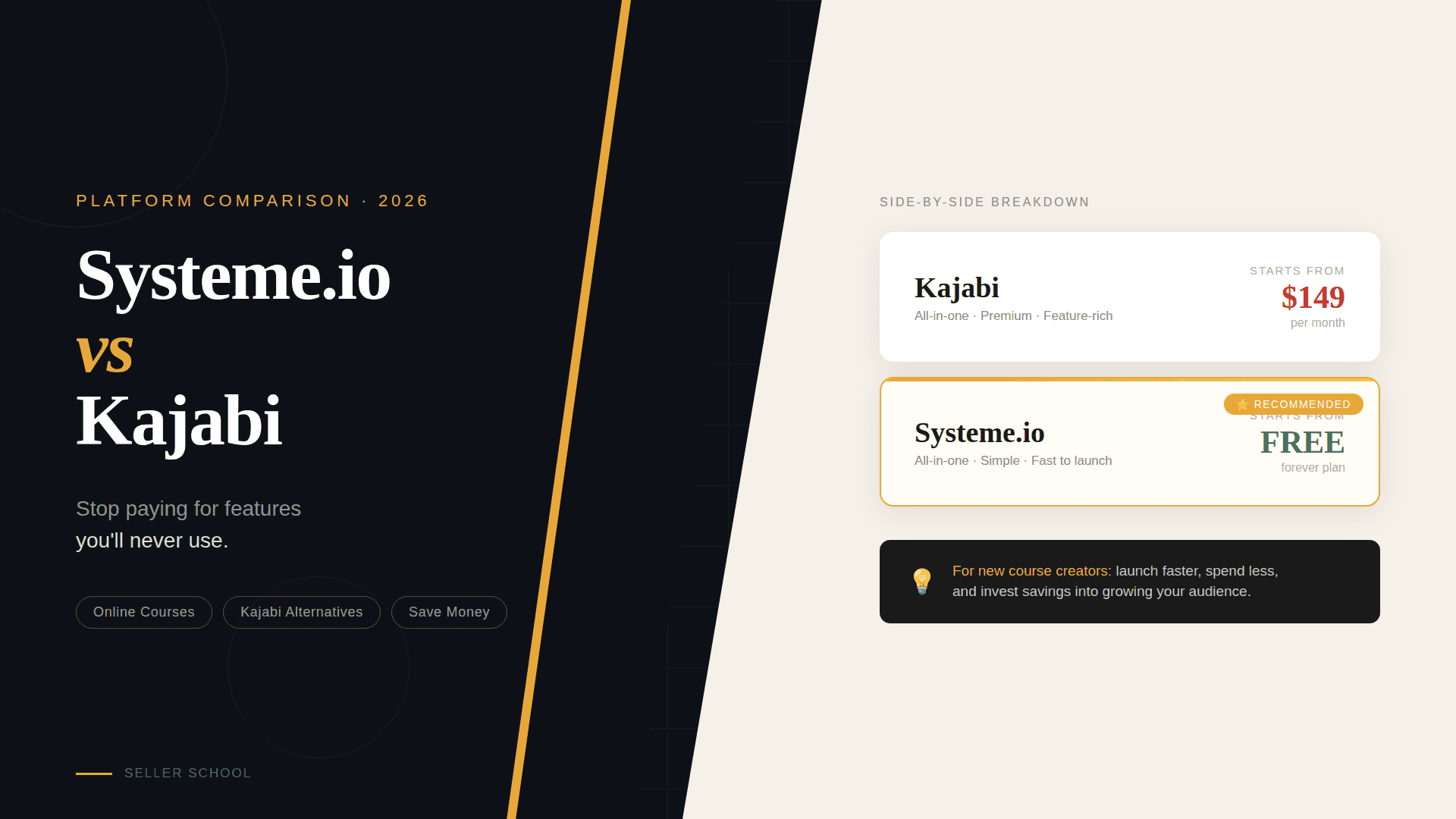
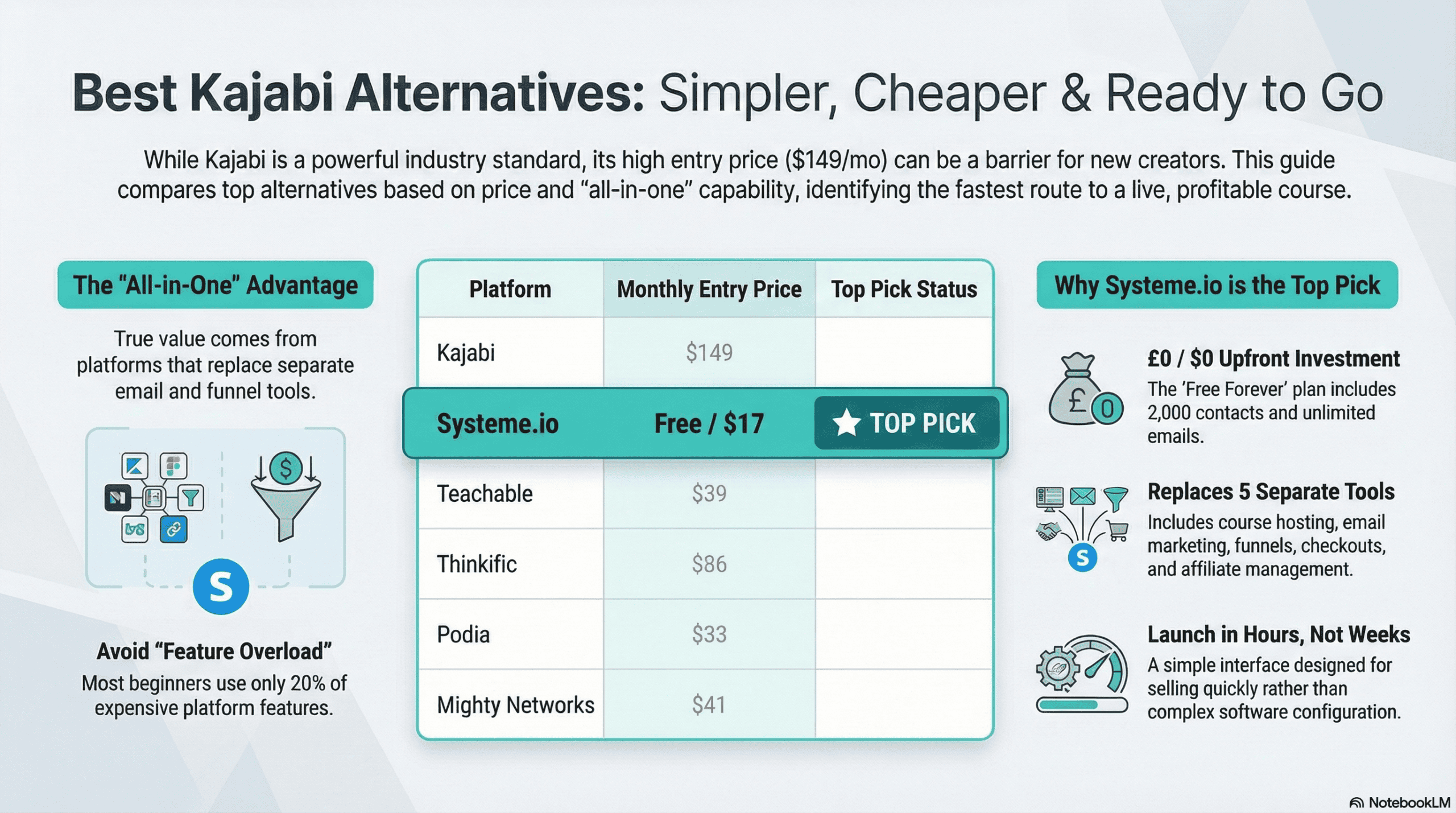
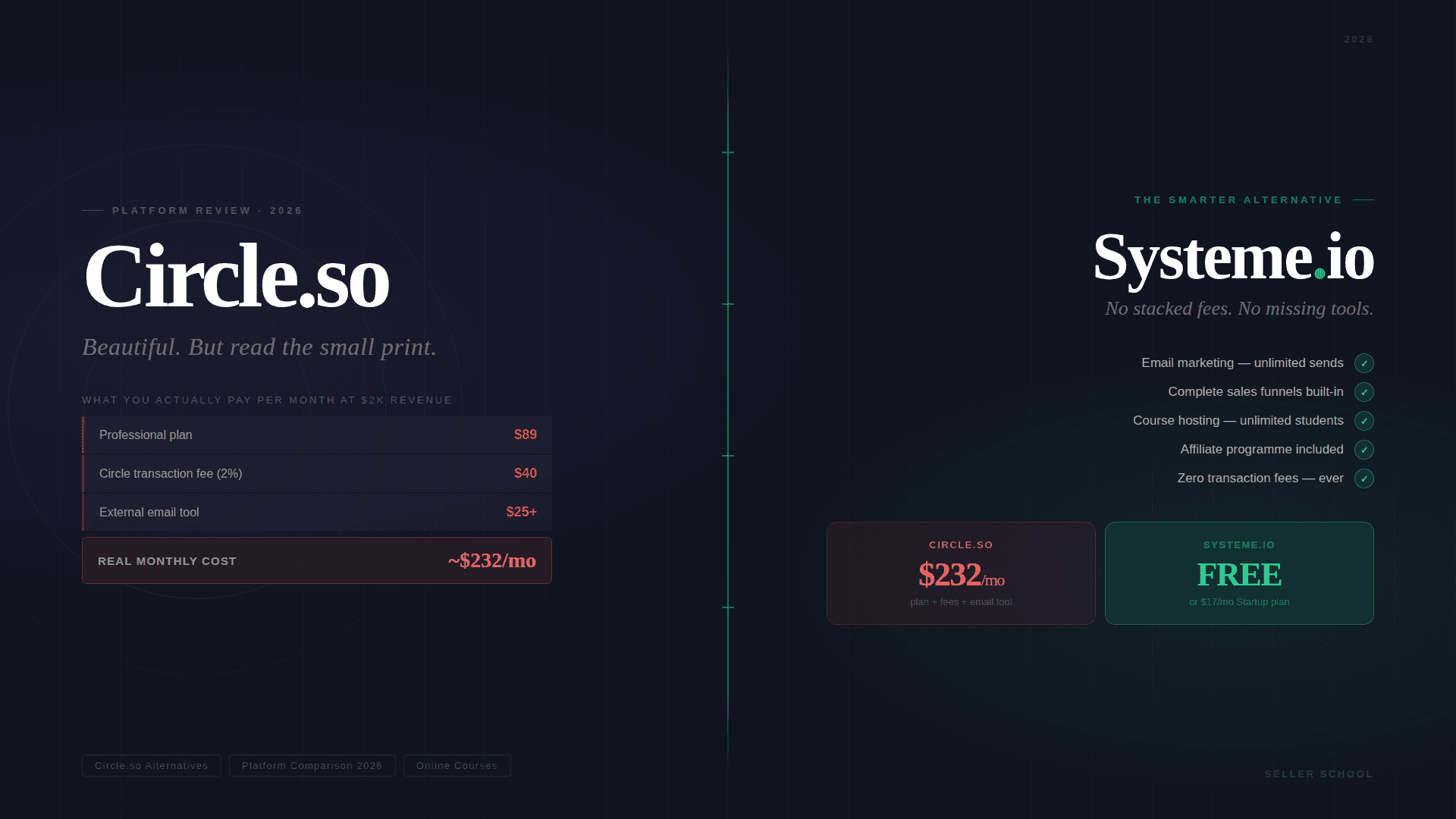
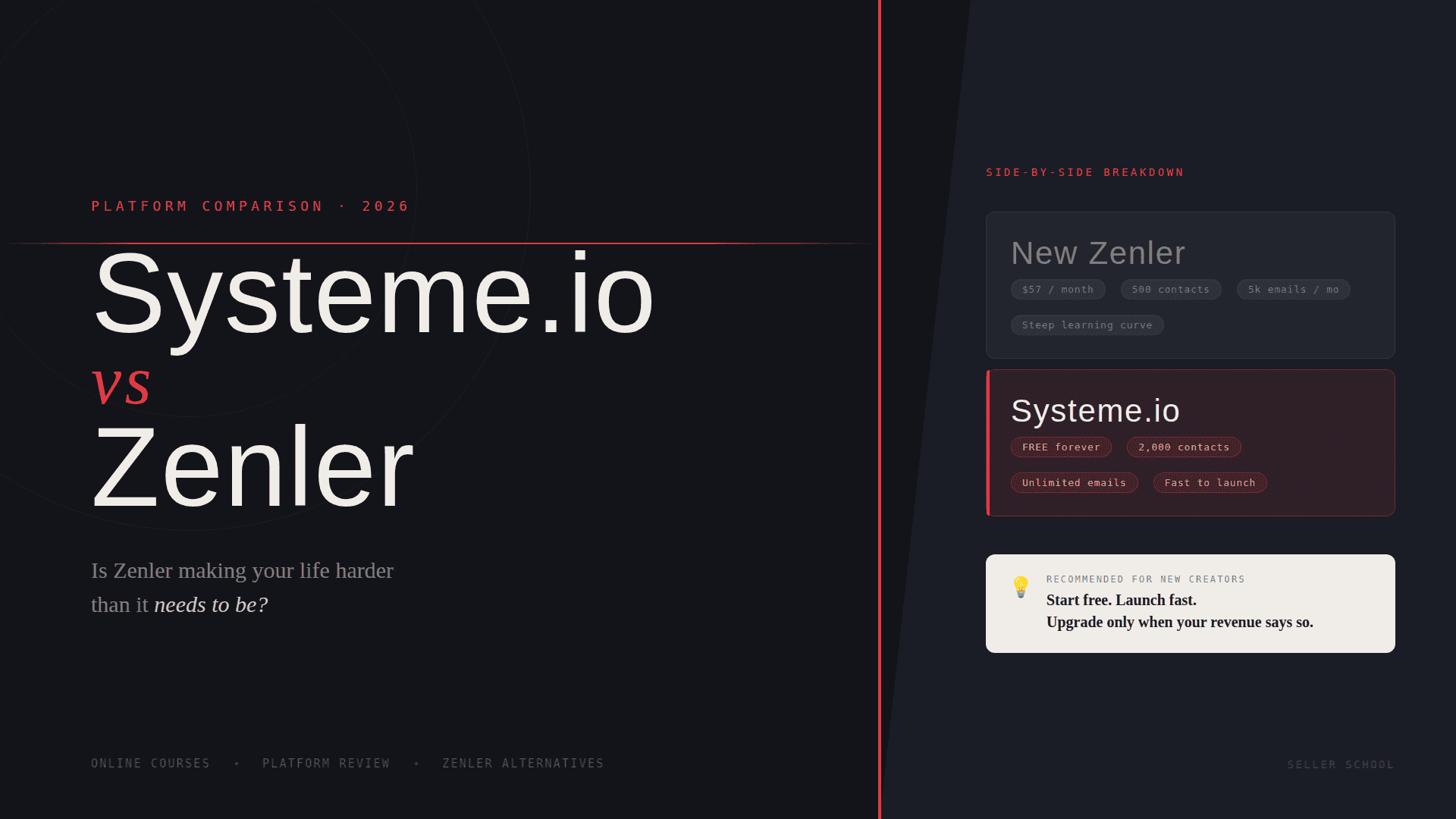
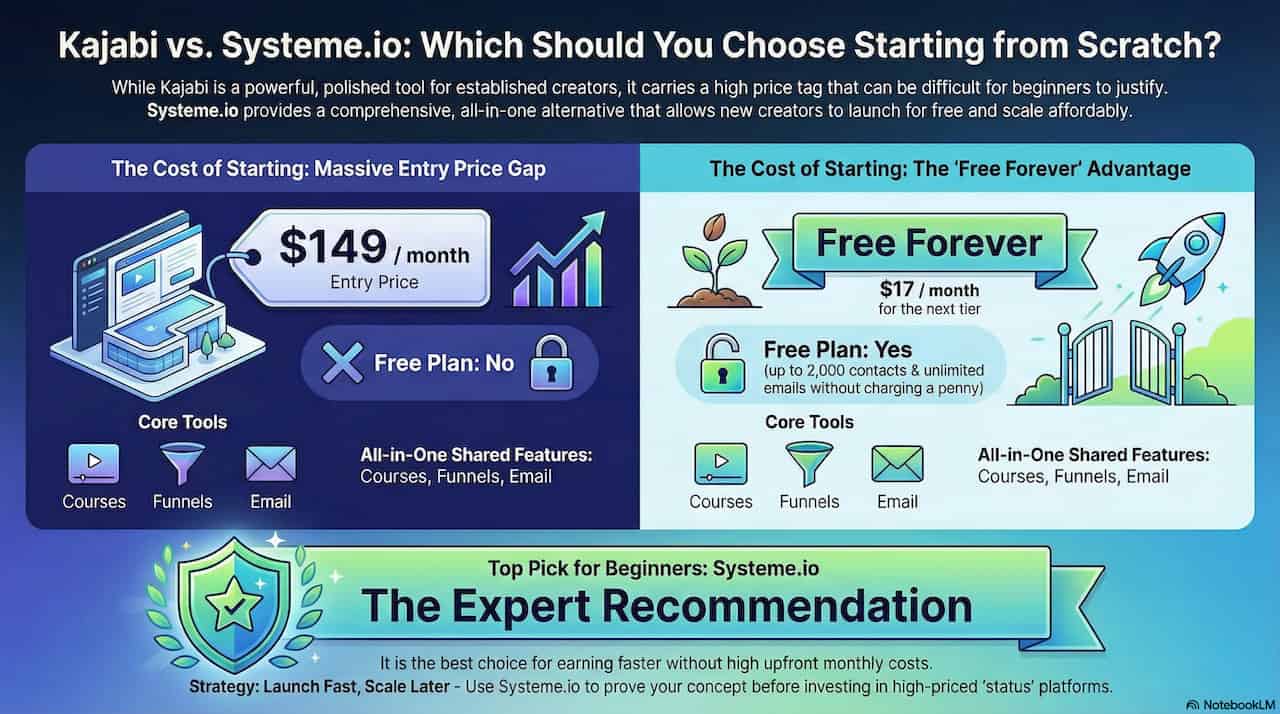
Those three are the foundation, and everything else builds on them; a video that drives a hundred people to a non-existent opt-in page is a hundred wasted opportunities. This is also where the email list earns its place at the centre of the plan. Email consistently returns more than any other channel — Litmus' widely-cited research puts the average at around thirty-six dollars for every dollar spent, roughly twenty-eight pounds — and that return doesn't come from the software, it comes from the relationship the software lets you build. I set all of this up inside systeme io, and the free plan covers everything you need to begin. Infrastructure first, always.
Step 2: Choose one platform and commit
With the infrastructure built, choose your platform — deliberately, on three criteria: where your ideal student spends time, which content format suits how you naturally communicate, and which posting frequency you can sustain for a year, not a month. Spreading yourself across five platforms means asking five algorithms to learn who you are at once while giving each half the signal it needs; concentrating on one gives a single algorithm everything and lets you develop real fluency in its format and rhythm.
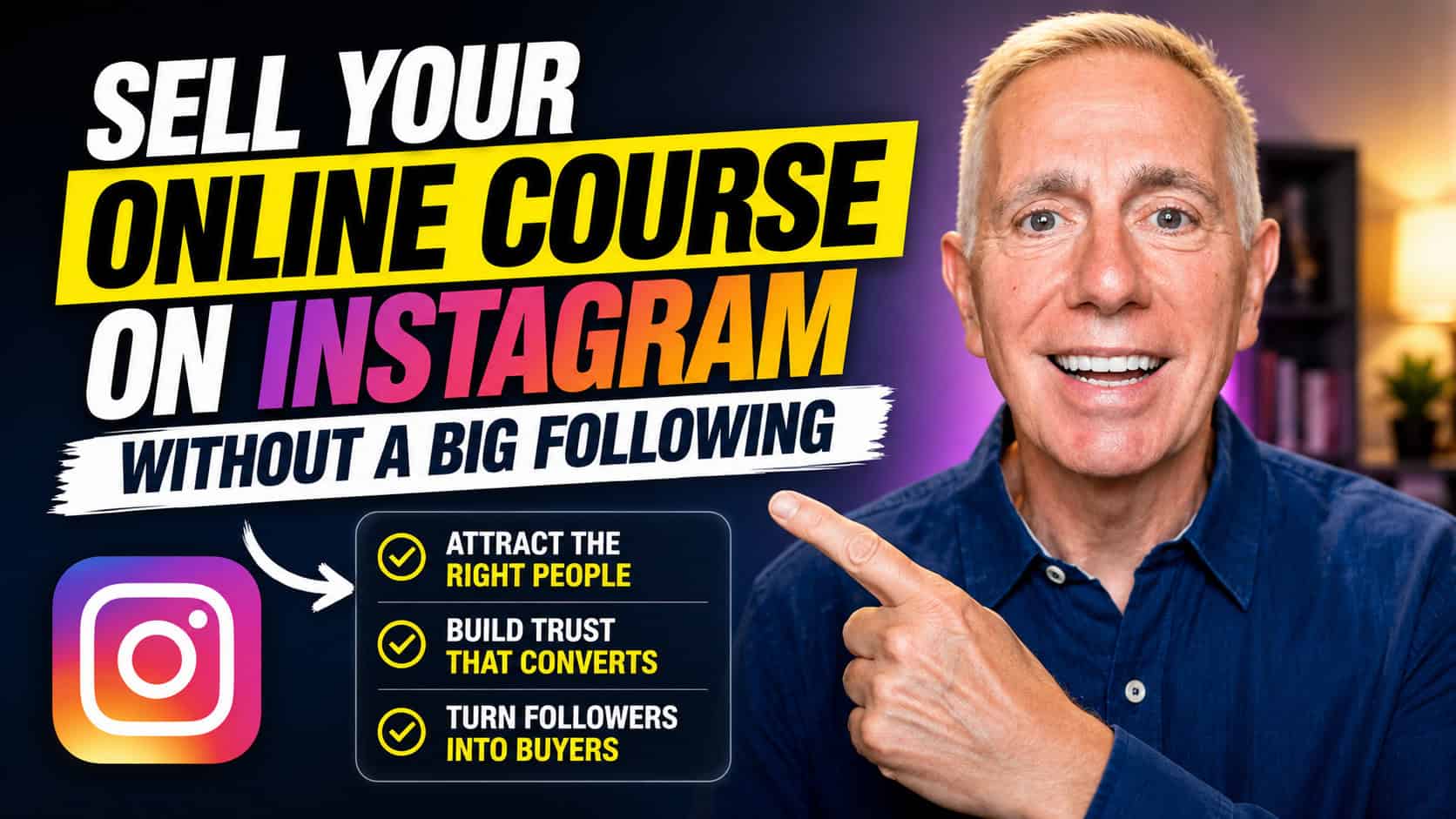
If I were starting from zero today, I'd choose YouTube, for three honest reasons. Its content compounds like no other platform's — a video published today is still discoverable through search in three years, so the effort-to-longevity ratio is unmatched. It builds trust faster, because video is the medium closest to real human interaction, and someone who watches six of your videos has spent an hour with you. And its search intent means the people who find you are actively looking for what you offer, converting at rates passive scrollers don't. Your answer might differ — Instagram if your student browses visually and short video is natural to you, LinkedIn if you're selling to professionals and write more easily than you speak. Apply the criteria, decide, and commit for at least six months before judging it. Then set up the repurposing model: one primary platform gets your full energy, and secondary platforms get the overflow, so one video becomes two Shorts, then two Reels, then a Facebook post — one piece of primary content, several distribution points, manageable extra effort.
Step 3: Create content for the right person
With the infrastructure built and the platform chosen, the content begins — and the most important decision is who you're creating it for. Apply the Problem–Process–Proof–Personal framework from day one: not broad content designed to reach the largest possible audience, but specific content designed to reach the specific person your course is built to help. Problem content makes them feel seen, Process content demonstrates your expertise, Proof content shows the outcome is real, and Personal content builds human connection — rotated consistently over time.
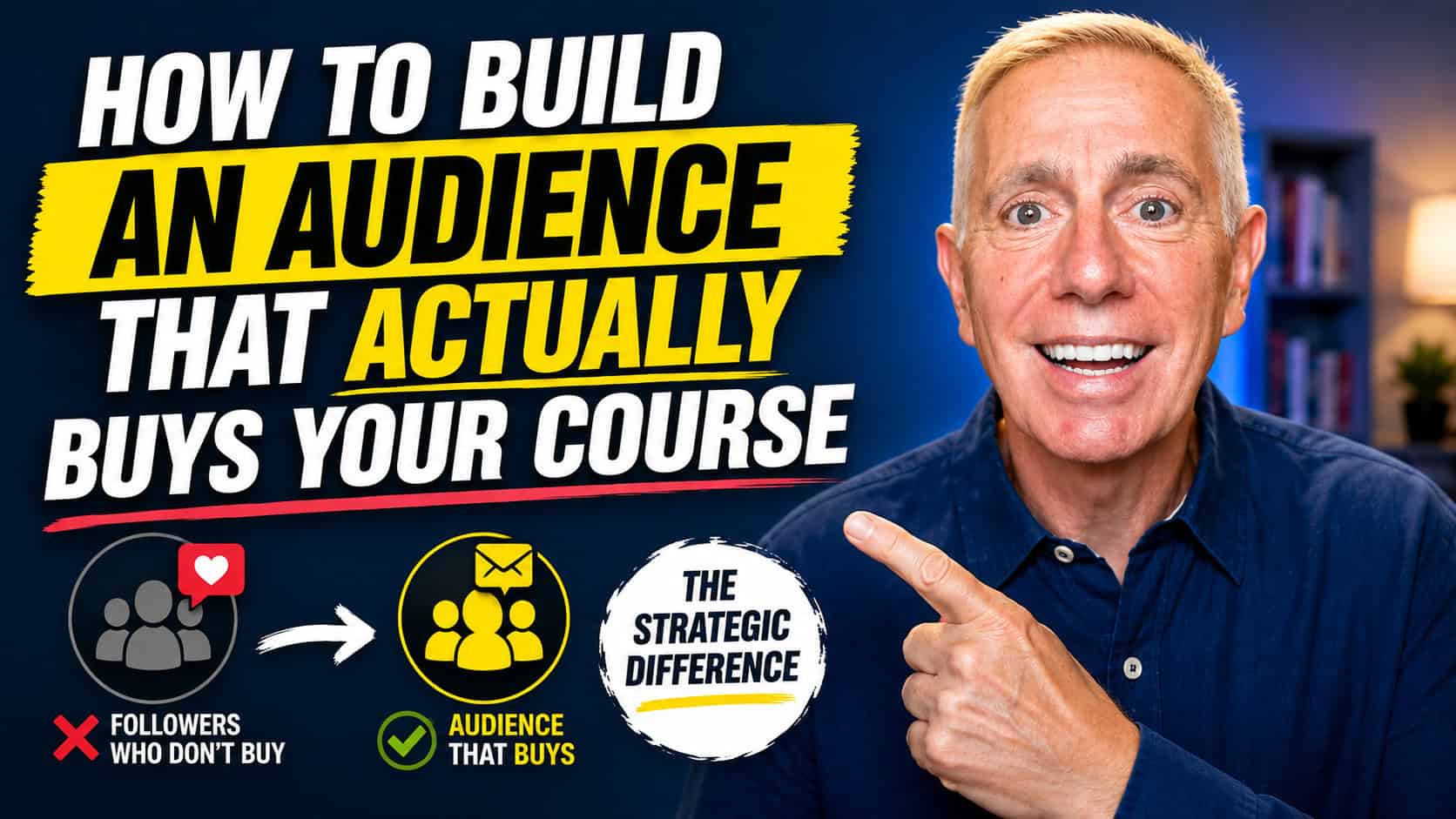
Here's the honest reality of specific content from zero: the numbers will be small for weeks, possibly months. That's not evidence it isn't working — it's evidence it's working correctly, reaching a small number of the right people rather than a large number of the wrong ones. A hundred views from your ideal student is worth more than ten thousand from people who will never buy. Hold that perspective, because it's what keeps you making the right content when the metrics tempt you toward the wrong content. Broad content that racks up likes feels like progress; specific content that quietly attracts the right handful is progress.
Step 4: Drive everything to the list
Every piece of content has one job beyond the content itself: move the right person one step closer to your email list. Every video carries the opt-in link in the first couple of description links and ends with a specific call to action. Every Instagram post, Reel, and Story references the lead magnet and points to the bio link. Every platform post, every time. The consistency is what most creators underestimate — they include the call to action sporadically, and sporadic calls to action produce sporadic growth, whereas consistent ones produce consistent growth. It needn't be aggressive; a single sentence at the end of a post is enough, but it has to be there every time.
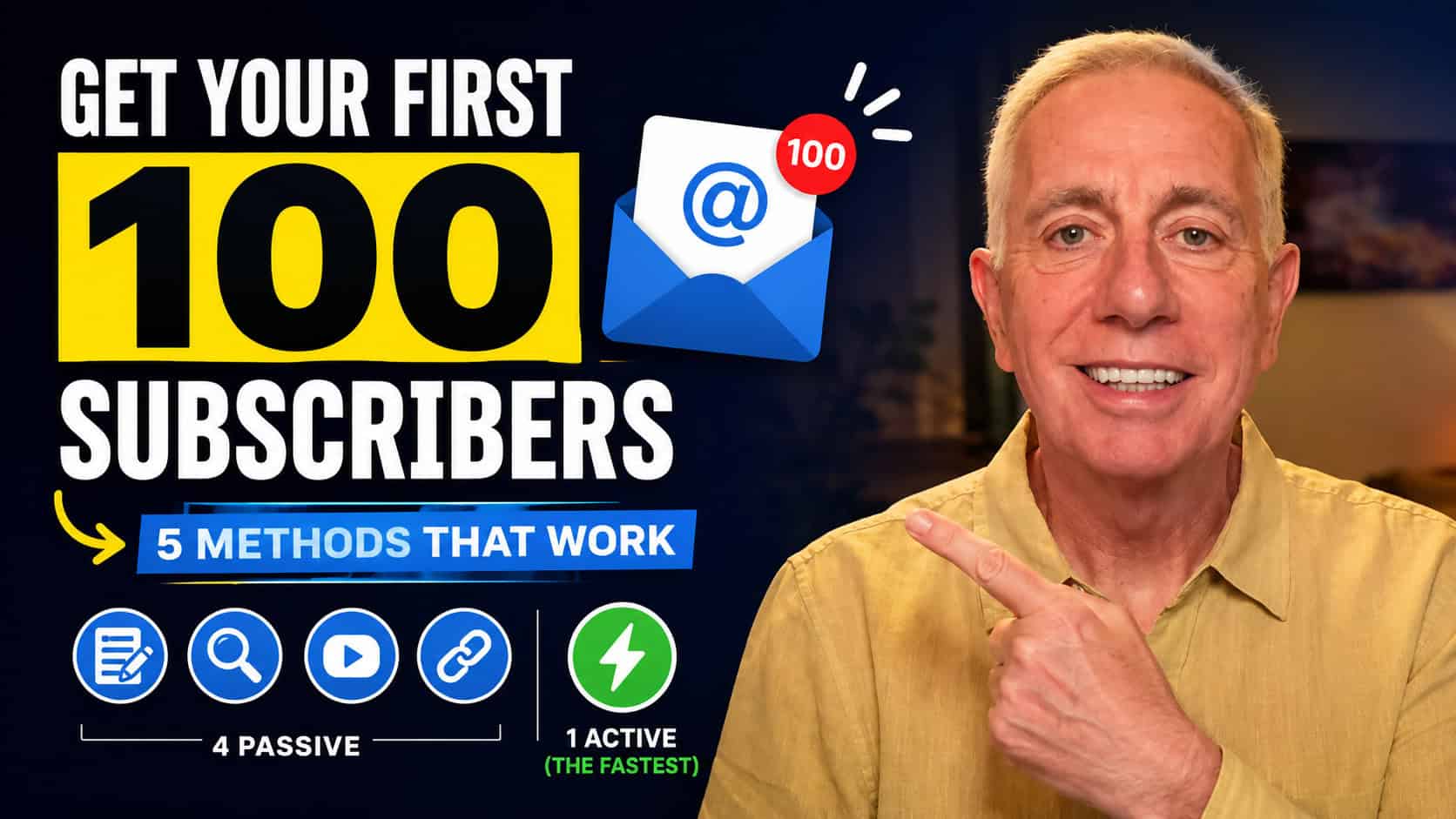
Alongside that, use the five subscriber methods that matter most from zero: your YouTube descriptions, your social bio links, personal outreach, consistent content calls to action, and other people's audiences through guest appearances. In the early weeks, when your reach is still modest, personal outreach does the heavy lifting — thirty personal messages to the right people will add more subscribers in your first month than passive content alone. Don't skip it because it feels uncomfortable; it's the fastest method available when you're starting from nothing, and it works the day you send the messages. Use it alongside everything else, not instead of it.
Step 5: Nurture before you sell
This is the step most people rush. The moment they have subscribers — even a handful — the temptation is to sell immediately, with a promotional email in week two or a launch before any relationship exists. That's backwards and expensive, because it burns trust before trust is built. The welcome sequence handles the initial relationship building automatically: by the end of five emails over eight days, a new subscriber has received genuine value five times and formed a view of whether they trust you. But that's a starting point, not a complete relationship. After it, ongoing contact matters — not a weekly pitch, but consistent value: a weekly or fortnightly email using the same four content types, something genuinely useful every time, with a soft reference to your course where it's relevant.
That soft reference is the key — not “buy my course now,” but “if you want the full system rather than just the starting point, that's what my course is built for.” A soft, consistent reference in every third or fourth email is what converts a warm subscriber into a buyer when the time is right for them, and the time is different for everyone: some are ready after three emails, some need three months, some need a year. The ones who need time aren't lost, as long as you keep showing up with value — they're building the case for buying, one email at a time. Nurture first, sell when the relationship is ready. The patience that feels commercially uncomfortable in the short term is exactly what makes the business sustainable in the long term.
What I'd deliberately avoid
Knowing what not to do is sometimes more useful than knowing what to do. I'd avoid launching too early, because launching to a cold audience consistently underperforms — build the list first and launch when you have around two hundred warm subscribers who've been through your welcome sequence. I'd avoid chasing metrics that don't matter, because follower count, likes, and views feel meaningful but don't predict sales; the metric that predicts sales is engaged email subscribers who open and click. I'd avoid diversifying platforms before mastering one, because building on five at once builds nothing on any of them. I'd avoid comparing my month two to someone else's year three, because I don't know how long they've been at it or what they're not showing me — the only useful comparison is to where I was last month.
And the most important one: I'd avoid waiting until I felt ready. There is no state of readiness that arrives before you start — the confidence and clarity come from doing the work, not from preparing to do it. The first video will be imperfect, the first email will be imperfect, the first opt-in page will convert worse than the fifth, and that's fine. Imperfect and live beats perfect and imaginary every time. Start before you're ready and improve as you go, because it's the only way this actually works.
What this actually asks of you each week
It's worth being honest about the time this plan requires, because unrealistic expectations are what make people abandon it in month two. The infrastructure in step one is largely a one-off: a focused weekend, or a few evenings, sets up the opt-in page, the lead magnet, and the welcome sequence, and then it runs on its own. The ongoing commitment is smaller than most people fear precisely because it's concentrated on one platform. For a course creator building on YouTube, a realistic week is one primary piece of content — scripted, recorded, and edited — plus the repurposing into a couple of Shorts, plus five personal outreach messages and a weekly email to the list. That's a meaningful commitment, but it's one person's evenings-and-a-weekend commitment, not a full-time operation.
The reason it stays manageable is the entire argument of this series. You're not maintaining five platforms, chasing every metric, or launching before you're ready. You're doing a small number of the right things, consistently, and letting them compound. The creators who burn out are almost always the ones trying to do everything at once; the ones who last are the ones who narrowed the work down to what actually matters and then simply kept showing up. Consistency at a sustainable pace beats intensity that collapses after a month, every single time.
Where six months of this leads
Follow the five steps — build the infrastructure, choose the platform, create specific content, drive everything to the list, nurture before you sell — and here's what six months looks like. You have a channel with twenty to thirty pieces of content, some performing and some not, and you know which is which because you tracked it. You have a real email list — maybe two hundred subscribers, maybe five hundred, maybe more depending on how hard you pursued outreach and guest appearances — of people who chose to hear from you, went through your welcome sequence, and recognise your name when your email lands. And you've sent a dozen or two dozen emails, some of which got replies that taught you things about your audience no research could have.
And you're ready to launch — not because everything is perfect, but because the conditions are right: a warm audience that trusts you, a course that solves a real problem they have, and a platform driving traffic to the sales page. That's the position this plan builds toward, over six months of consistent, specific, patient work rather than overnight. If you want to build the infrastructure that sits at the centre of it, you can create a free systeme io account here: iosysteme.com — the opt-in page, the email marketing, and the automation are all on the free plan. Start this week, from wherever you are. The plan doesn't require an audience to begin; it's the thing that builds one.
Note on the figures above: the ~$36-per-$1 email ROI is a widely-cited survey average, not a guarantee; the ~200 warm-subscriber launch threshold and the six-month picture are experience-based generalisations rather than promises. Treat them as the shape of the path, not a forecast of your specific results.